

Sony WH-1000XM6 vs Sennheiser Momentum 5 is not just another premium headphone fight. It is a test of what buyers should actually value in expensive ANC headphones now: the quietest possible commute, or a product that can last longer than the upgrade cycle trying to replace it.
That matters because the top end of wireless headphones has become crowded with safe choices. Sony still owns the easy recommendation for travelers and office workers, but the rise of stronger midrange ANC options like affordable ANC headphones that still make sense in 2026 makes every flagship purchase harder to justify unless it brings something genuinely useful.
Sony WH-1000XM6 vs Sennheiser Momentum 5 Is Really About Priorities
The Sony WH-1000XM6 enters this comparison with the cleaner elevator pitch. If your main problem is airplane noise, office chatter, train rumble, or the constant mechanical hum of modern life, Sony’s premium line has been trained for that exact job.
The XM6 is built around noise control first. Sony’s product story leans heavily into real-time noise cancellation, advanced processing, and a microphone system designed to react to changing environments. That is the kind of feature set that matters when headphones are not just for music, but for creating a portable quiet room.
Sennheiser is making a different argument. The Momentum 5 is not trying to win by sounding like the safest travel pick. It is trying to make buyers think harder about battery life, codec support, spatial audio, and the ownership experience after the honeymoon period ends.
That is where this matchup gets interesting. Sony looks like the better tool for people who want the most predictable ANC experience. Sennheiser looks like the smarter rebellion against disposable premium gadgets.
Sony Still Has the Cleaner Noise-Canceling Case
Sony’s biggest advantage is that it understands the premium ANC buyer almost too well. The person shopping for the Sony WH-1000XM6 usually wants a practical result: put the headphones on, reduce the outside world, and avoid fiddling with settings every five minutes.
That simplicity is powerful. The best noise-canceling headphones are not always the ones with the longest spec sheet. They are the ones that behave consistently in awkward real-world conditions: a loud gate area, a shared workspace, a bus seat near the engine, or a café where every table has become a conference room.
Sony’s tuning also tends to favor mainstream confidence. The experience is polished, accessible, and forgiving. That may not excite the listener who wants to debate codec chains and driver character, but it matters to buyers who want a premium headphone that does not make ownership feel technical.
The risk is that Sony’s excellence can start to feel incremental. If you already own a recent XM model, the XM6 may feel like refinement rather than reinvention. That does not make it weak. It just means the upgrade question is tougher than the purchase question.
For first-time flagship ANC buyers, Sony still has the safer travel case. For existing Sony owners, Sennheiser’s pitch suddenly becomes harder to ignore.
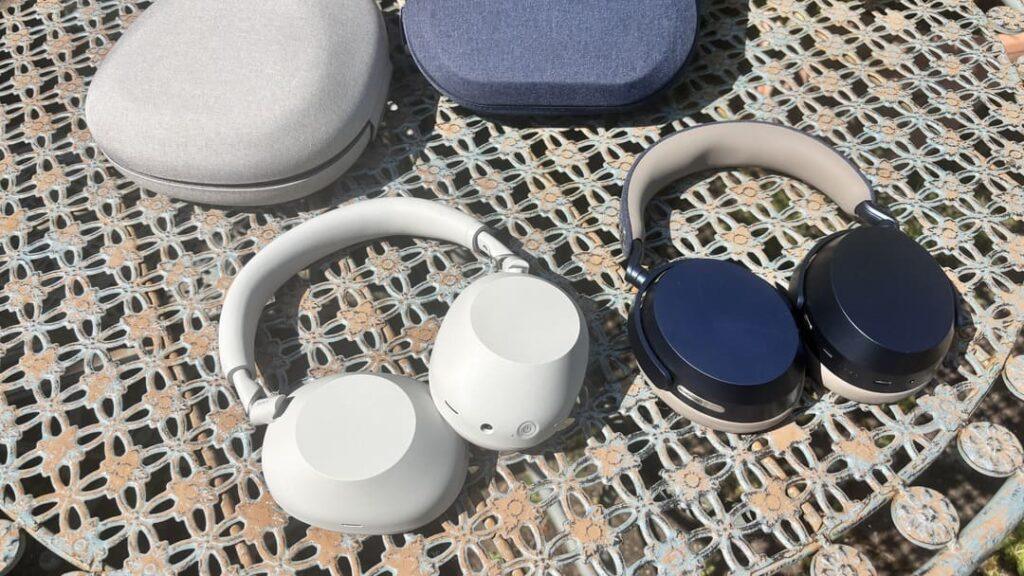
Sennheiser Is Turning Battery Life Into a Premium Feature
The Momentum 5’s most disruptive argument is not that it can cancel more noise than Sony. It is that battery life and repairability are becoming premium features, not boring spec-sheet leftovers.
Sennheiser’s Momentum 5 Wireless promises up to 57 hours of battery life with ANC engaged, which changes the psychology of use. Instead of thinking about charging every couple of days, buyers can treat the headphones more like a durable daily device. For commuters, remote workers, students, and frequent travelers, that matters more than people admit.
The more interesting part is the user-replaceable battery. The Sennheiser Momentum 5 Wireless makes longevity part of the product story, which feels unusually direct for a premium wireless headphone category that often asks buyers to replace the whole device when the battery ages.
That is not just a sustainability angle. It is a buyer-protection angle. Expensive wireless headphones live or die by battery health, and a replaceable battery gives Sennheiser a practical ownership advantage that could matter more in year three than on day one.
This is the real pressure point for Sony. ANC may sell the demo. Battery longevity may win the owner.
| Decision Factor | Sony WH-1000XM6 | Sennheiser Momentum 5 |
|---|---|---|
| Best Core Strength | Noise cancellation polish | Battery life and longevity |
| Battery Life Angle | Strong enough for normal use | Much stronger for heavy use |
| Sound Buyer Appeal | Mainstream, refined, easy to like | More codec-focused and enthusiast-friendly |
| Ownership Advantage | Proven flagship ecosystem | User-replaceable battery |
| Best Buyer Fit | Travelers, commuters, office users | Long-session listeners and durability-focused buyers |
| Main Risk | May feel incremental for XM owners | ANC may not dethrone Sony |
The table makes the split obvious. Sony is not losing its identity. Sennheiser is simply attacking from a smarter angle than raw ANC bragging rights.
Sound Quality Depends on the Listener, Not the Logo
Premium headphone comparisons often pretend sound quality has one winner. It rarely works that cleanly.
Sony’s sound profile is likely to appeal to people who want a polished, energetic, consumer-friendly presentation. That means music, calls, podcasts, streaming video, and casual gaming all feel easy to live with. It is not trying to be a studio monitor. It is trying to sound expensive without becoming demanding.
Sennheiser’s advantage is different. The Momentum line has traditionally attracted buyers who care more about texture, codec support, and a listening profile that feels a little more intentional. With aptX Lossless support and a more audio-enthusiast pitch, the Momentum 5 has a stronger argument for listeners who own compatible devices and care about wireless quality beyond basic Bluetooth convenience.
But there is a trap here. Codec support only matters if your phone, app, and listening habits actually benefit from it. A buyer using an iPhone, streaming compressed audio, or listening mostly in noisy public places may not hear the same advantage as someone using compatible Snapdragon Sound hardware in quieter spaces.
That makes Sennheiser’s sound argument more conditional. It may have the stronger enthusiast hook, but Sony may still be the easier recommendation for mixed daily use.
Comfort, Controls, and Calls Could Decide the Daily Winner
The difference between a good review and a good purchase often appears after two hours of use. Comfort, controls, call quality, and case design become more important than the feature that looked best online.
Sony has an advantage here because its flagship headphones are built around daily predictability. Touch controls, adaptive sound features, multipoint use, call handling, and app polish all matter when headphones become part of a workday instead of a weekend listening session.
Sennheiser’s Momentum 5 counters with endurance. Longer battery life reduces charging anxiety, and a replaceable battery makes the headphones feel less fragile as a long-term purchase. That is especially appealing for buyers who wear headphones for work, travel, and gaming-adjacent desk setups.
Comfort will be personal. Clamp force, ear-cup depth, heat, glasses fit, and weight distribution matter more than brand loyalty. A headphone can win every spec category and still lose if it becomes annoying after a long session.
That is why this comparison should not be reduced to “best ANC versus best battery.” The real winner is the pair you can wear, trust, and forget about.
The Next Signal Is Whether Repairability Becomes a Selling Point
The most important thing to watch is not whether Sennheiser beats Sony in one round of ANC testing. It is whether premium headphone buyers start caring about repairability before something breaks.
If they do, Sennheiser has identified a weak spot in the category. Wireless headphones have become expensive enough that consumers should expect longer service lives. A replaceable battery gives the Momentum 5 a story that extends past launch week, and that could pressure competitors to treat longevity as more than a footnote.
Sony still has the stronger mainstream position. It has brand trust, ANC credibility, and a premium headphone formula that works. But Sennheiser’s challenge is clever because it does not need to beat Sony at Sony’s own game to matter.
It only needs to make buyers ask a sharper question: should a flagship headphone be judged only by how quiet it gets today, or by how well it holds up after years of use?
That question is where Sennheiser has the more interesting momentum.
The Sony WH-1000XM6 vs Sennheiser Momentum 5 decision comes down to the kind of premium buyer you are. Choose Sony if you want the more dependable ANC-first travel headphone. Choose Sennheiser if battery life, codec flexibility, and long-term ownership matter enough to challenge the usual flagship script. In 2026, the smartest headphone purchase may not be the one that blocks the most noise on day one, but the one that still feels worth owning when the next model starts shouting for attention.