

Pennsylvania Skill Games enforcement moved from legal debate to active state action after the October 14, 2026 deadline passed. For viewers, creators, and small venues, the change is not just about machines on a floor; it also affects what can be filmed, promoted, streamed, monetized, or treated as normal entertainment content in Pennsylvania.
As a streaming analyst, I see the largest immediate issue as clarity. Content creators often build around audience habits before legal categories are settled. Here, the legal category has now shifted sharply. Pennsylvania’s Supreme Court ruled on June 15, 2026, that so-called skill games were illegal slot machines under the Pennsylvania Gaming Act and Crimes Code, and the Pennsylvania Attorney General’s office said the state had an estimated 70,000 such machines operating across Pennsylvania, according to the Attorney General’s statement.
Pennsylvania Skill Games After The Court Ruling
Pennsylvania Skill Games Ruling Timeline
The court’s June 15, 2026 decision included a 120-day stay. That pause gave businesses and lawmakers time to react before enforcement could begin. The stay expired on October 14, 2026. As of October 15, 2026, that deadline had already passed, so analysis should treat removal and enforcement as active issues rather than hypothetical ones.
The court decision changed Pennsylvania Skill Games from a disputed retail-entertainment category into devices that state officials may treat as illegal slot machines. That matters for anyone who has treated the machines as ordinary gaming content. A bar owner, a social club, a convenience store, and a local creator may have different relationships to the devices, but each faces a new risk profile after the stay expired.
One consumer-awareness point deserves emphasis: legality and entertainment value are separate questions. A device can be popular with patrons and still be subject to enforcement after a court ruling. Likewise, a creator may believe a segment is light entertainment, but legal exposure can depend on operation, promotion, payment relationships, location, and platform rules. This is not legal advice, but it is a strong signal that casual assumptions are no longer safe for Pennsylvania-based content.
What Enforcement Changed On October 14, 2026
Compliance Actions Reported By State Police
On October 14, 2026, Pennsylvania State Police said enforcement began. PSP reported that some distributors and operators had agreed to comply by rendering devices inoperable, removing machines, and reporting their locations, while some other operators requested more time, according to the State Police enforcement update.
That enforcement posture changes the viewing experience around these machines. Before the deadline, a viewer might have seen a stream from a local venue as a quirky slice of Pennsylvania gaming culture. After the deadline, the same content may be seen through a compliance lens: Was the machine still operable? Was money involved? Was the creator paid to promote play? Was the venue authorized to host that device?
For streamers, the practical risk is not limited to being the owner of a machine. A creator who films, promotes, or receives revenue from content tied to illegal devices may face questions from platforms, sponsors, payment processors, or regulators. The research available for this analysis did not identify any reported court case against a streamer specifically as of October 15, 2026. That absence should not be read as permission. It means the streamer-specific enforcement pattern remains uncertain.
Streaming Risk For Pennsylvania Skill Games Content
Pennsylvania Skill Games And Streamer Exposure
Creators tend to think first about audience retention, camera angles, chat pacing, and upload schedules. In this situation, the first production question should be whether the content depicts an unauthorized gambling device. If the answer is unclear, a pause is safer than assuming that entertainment framing solves the problem.
For Pennsylvania Skill Games creators, the highest-risk scenarios are likely to be the most commercial ones: sponsored segments, affiliate-style promotions, revenue-sharing arrangements, or content that directs viewers to specific machines or locations. The research notes do not establish streamer liability outcomes, so no one should claim that every video automatically creates legal exposure. A cautious creator should still treat paid promotion around these devices as meaningfully different from commentary or news analysis.
Platform policy may also matter. Streaming services commonly restrict content connected to illegal activity, gambling-like products, or unsafe monetization, though the exact rule depends on the platform and the facts. A channel that built a local audience around skill-game play should review platform terms, remove outdated promotional language, and separate journalism or commentary from any content that appears to encourage use of unauthorized devices.
For creators who shift away from filming these machines, production value does not need to disappear. A safer pivot may involve local gaming commentary, arcade culture, hardware setup discussions, or community interviews that do not promote live play on prohibited devices. For setup-focused creators comparing capture gear, desks, and PC play, the related network site Cooler Master Gaming may be a more appropriate context than filming disputed machines inside a venue.
Local Venues, Revenue, And Consumer Awareness
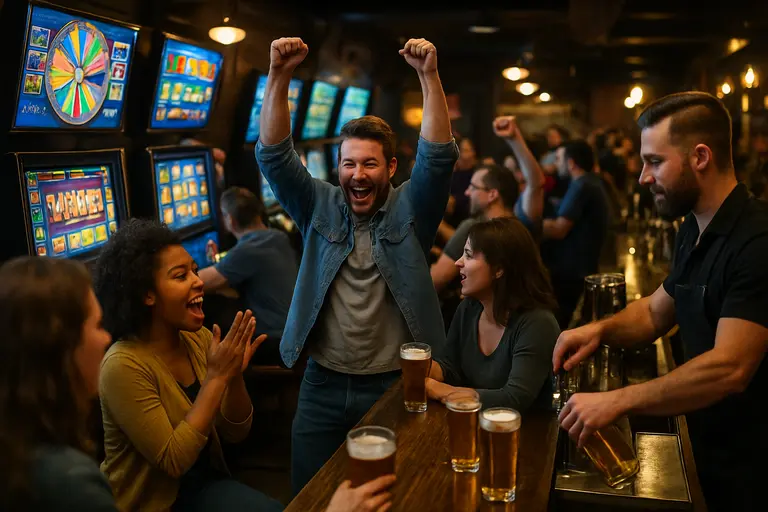
What Viewers Should Ask Before Engaging
The community impact is uneven. A large operator, a small club, and a convenience store do not absorb disruption in the same way. Research notes for this topic indicate that some small businesses, bars, social clubs, and convenience stores relied on skill-game income as supplemental revenue. Because enforcement had begun by October 14, 2026, those venues had to decide whether to remove machines, render them inoperable, seek more time, or face potential seizure and legal consequences.
That pressure is why the issue has become more than a court story. It affects local gathering places and the creators who document them. A streamer who walks into a neighborhood club may see the removal of machines as a loss of atmosphere, foot traffic, or content material. A patron may see it as the disappearance of a familiar diversion. A policy analyst may see unregulated gaming being brought under state control. All three views can exist at once.
Consumer awareness should focus on verification rather than loyalty. Viewers should not assume that a favorite venue is compliant just because it has operated for years. They should also avoid treating a creator’s enthusiasm as evidence that a machine is lawful. The court ruling and enforcement date are fixed facts; the compliance status of a specific business can change quickly.
- Creators should separate news commentary from promotion and avoid implying that viewers should use unauthorized devices.
- Venue operators should rely on official guidance and legal counsel rather than influencer coverage or informal community claims.
- Viewers should be cautious with content that mixes entertainment, cash play, sponsorship, and unclear licensing status.
For readers tracking how the removal of devices affects small venues, Rave Tech has also covered the local revenue pressure tied to the enforcement shift.
Pennsylvania Skill Games And Community Impact
A Narrower Future For Public Play Content
The likely near-term future is narrower public visibility. Machines that remain operable in unlicensed settings face enforcement risk, so public streams from those locations may become rarer or more carefully framed. Creators who continue covering the topic may shift toward analysis, interviews, compliance updates, and community effects rather than filming active play.
This does not mean all amusement content in Pennsylvania is unsafe. The research notes flagged concerns that traditional arcade or prize-redemption games could face definitional questions if lawmakers or regulators draw broad lines. That concern should be treated carefully. A concern is not the same as a confirmed ban. Creators covering arcades, Skee-Ball, or carnival-style redemption games should avoid overstating risk unless a specific rule, enforcement action, or court interpretation applies to those devices.
The most useful viewer experience now may be less sensational and more explanatory. Audiences benefit when creators state dates, distinguish court rulings from legislative proposals, and disclose whether they have any financial relationship to the venues or machines being discussed. That kind of clarity protects viewers from mistaking sponsored entertainment for neutral reporting.
Pennsylvania Skill Games have become a test case for how quickly local gaming culture can change once a legal definition hardens. For the streaming community, the safest path is to treat the machines as a legal and compliance topic first, and as entertainment content only after authorization is clear. That may reduce some spontaneous venue-based content, but it should also lead to better disclosure, fewer misleading promotions, and a healthier relationship between creators and their audiences.