

Ever throw a party nobody attended? That’s what going live without proper planning feels like. You’re hoping someone will be online when you broadcast.
Here’s the reality check: channels with consistent timing see 67% faster growth and 89% higher retention. Algorithms love predictability almost as much as your audience does.
Think of it like your favorite TV show airing at the same time every week. People build it into their routines. That’s the real growth hack hiding in plain sight.
Strategic timing aligns with both viewer behavior and platform mechanics. Start promoting at least a week ahead. Give your audience actual notice instead of playing content roulette.
Your calendar isn’t just administrative work—it’s the backbone of your entire content strategy. Treat it that way, and watch what happens.
Researching Peak Times
Think you can stream anytime and get results? That’s like fishing in a desert. It’s possible, but very unlikely. Finding the best streaming times is like being a digital detective for your audience.
Different platforms have their own schedules. Twitch streams at night, while LinkedIn streams during lunch. Your analytics show when your audience is online and ready to watch.
- Demographic detective work: Where does your audience live? Time zones are key
- Platform patterns: Each platform has its own rhythm—learn to read it
- Device usage tells a story: Mobile viewers during commute hours versus desktop warriors at night
- Retention rhythms: When do people watch to the end versus leaving early?
The magic is in engaging viewers, not just having many. One hundred passionate viewers at 2 PM are better than a thousand at midnight. Your analytics are full of secrets about your audience—are you listening?
Platform demographics show important patterns. YouTube’s global reach means your times might vary by continent. TikTok’s algorithm prefers regularity over timing. The data is clear—it just needs understanding.
Peak times aren’t when everyone is online. They’re when your specific audience is online and engaged. That’s the difference between shouting and having a real conversation.
Setting Up a Consistent Routine
Ever notice how creative geniuses often have simple routines? Picasso painted at the same time every day. Hemingway wrote 500 words each morning. Your favorite streamer? They’re not making it up as they go along. Consistent stream planning is what sets pros apart from amateurs who make money while they sleep.
The secret is not just being consistent—it’s being strategic about it. Think of your content like a factory that makes art, not widgets. The 4-Week Batch Method turns chaotic creativity into a smooth process.
- Week 1: Blueprint Phase – Plan out your month’s content themes and key messages
- Week 2: Production Sprint – Film all content in focused bursts
- Week 3: Polish Period – Edit, add graphics, and prepare engagement elements
- Week 4: Publishing & Interaction – Release content and engage with your audience
This method is not just efficient—it’s smart. Batching similar tasks helps you get into flow states easily. Monday is for ideas, Wednesday for filming, and Friday for community engagement.
The real magic? This structure boosts creativity, not hinders it. A blank calendar can kill inspiration. With solid stream planning, you create a space for creativity to thrive.
| Traditional Approach | 4-Week Batch Method | Impact on Quality |
|---|---|---|
| Daily content decisions | Monthly theme planning | +47% coherence |
| Reactive engagement | Scheduled interactive elements | +62% audience retention |
| Inconsistent publishing | Predictable release schedule | +89% follower growth |
| Creative burnout | Focused energy bursts | -73% stress levels |
Remember, consistency doesn’t mean being rigid. Your stream planning should be flexible enough for spontaneity but structured enough to avoid paralysis. The best routines are like jazz—they know the chords so well they can improvise beautifully.
Build your framework. Batch your content. Watch your engagement soar while your stress levels plummet. Now that’s smart content creation.
Announcing Your Schedule
Ever wondered why movie trailers drop months before they hit theaters? It’s not just marketing—it’s a battle for our attention. By announcing your streaming schedule, you’re not just sharing times. You’re building cultural value.
The real growth hacks come when you treat your announcements like concert promotions. Start promoting a week early—not because people forget easily. Anticipation needs time to build. Emotional commitment takes more than a day.
Your social media channels are like digital billboards. But don’t post the same thing everywhere. Instagram stories need teasers, Twitter wants quick updates, and Facebook loves event pages. It’s like speaking different languages to the same people.
That 24-hour Instagram countdown is pure genius. It creates the same urgency as Black Friday. The clock ticking creates FOMO before you even go live.
When you post matters more than what you post. Share when your audience is online, not when you’re bored. Posting at the wrong time is like sending party invites to an empty room.
| Platform | Best Announcement Format | Ideal Timing | Psychological Trigger |
|---|---|---|---|
| Countdown stickers + teaser clips | 7-9 PM weekdays | Visual urgency | |
| Pinned tweet + engagement polls | 12-1 PM weekdays | Conversation catalyst | |
| Event page + behind-the-scenes | 6-8 PM weekends | Community building | |
| TikTok | Teaser trends + duet challenges | 5-7 PM daily | Participatory hype |
Strategic scheduling turns your announcements into growth hacks. You’re not just filling slots—you’re creating moments people care about.
The difference between “I’ll try to watch” and “I cleared my schedule for this” is how you announce. One gets maybe-views. The other builds a dedicated audience.
Tools for Planning
Ever tried organizing a content schedule with sticky notes and crossed fingers? Welcome to digital planning—where chaos becomes clarity and guesswork becomes strategy.
The right tools don’t just organize your content—they reveal behavioral patterns you never knew existed. Think of analytics platforms as digital microscopes showing you the cellular structure of your audience’s attention span.
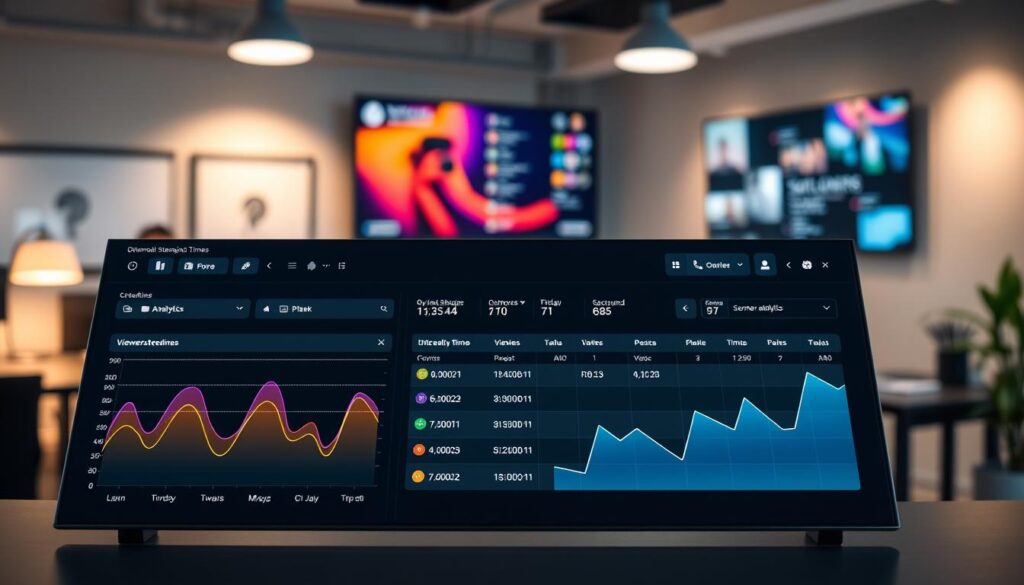
YouTube Studio isn’t just another dashboard—it’s your personal crystal ball. The platform shows you exactly when your optimal streaming times occur based on actual viewer data, not industry generalizations or wishful thinking.
Let’s break down the digital toolkit that separates amateurs from pros:
| Tool | Best For | Analytics Depth | Collaboration Features |
|---|---|---|---|
| Notion | Comprehensive content planning with databases | Medium | Real-time editing |
| Trello | Visual content pipeline management | Basic | Team assignments |
| Airtable | Advanced content tracking with analytics | High | Custom workflows |
| Google Sheets | Simple and collaborative planning | Basic | Comment threads |
| YouTube Studio | Native scheduling and analytics | Advanced | Limited |
Notice how each tool serves a different purpose? Notion and Trello aren’t just organizational apps—they’re visual representations of your content strategy. They make abstract plans tangible and collaborative.
The real magic happens when you combine these tools. Use YouTube Studio to identify your optimal streaming times, then plug those insights into Airtable for advanced tracking. Suddenly, you’re not just creating content—you’re engineering attention.
These platforms help you move from reactive content creation to predictive scheduling. They’re the difference between guessing when your audience might be available and knowing when they definitely are—based on their actual behavior, not your assumptions.
Want to know the secret sauce? The best planners use YouTube Studio’s analytics to pinpoint their optimal streaming times, then use Notion or Trello to build content calendars around those golden hours. It’s like having a digital assistant that never sleeps.
Remember: tools don’t create strategy—they enable it. The right combination turns data into decisions and guesses into game plans. Your optimal streaming times aren’t hidden—they’re waiting in your analytics dashboard right now.
Tracking & Adjusting Performance
Numbers don’t lie, but they tell different stories to different people. Your analytics dashboard is more than a report card. It’s a debate between what you planned and what happened.
The real question is “Why did they stay… or leave?”
Peak concurrent viewers are like a standing ovation. They show when your content hit its mark. Average watch time reveals where attention drops.
Are people leaving during your intro? Maybe it’s too long.
Focus on these four key metrics:
Total views show curiosity. Engagement rates show connection. Watch time correlation shows content strength. And subscriber conversion shows commitment.
Chasing subscriber count without engagement is pointless. It’s like counting empty chairs at a party.
Stop repeating what you think works. Start doing what actually does. Click-through rates and impression data are your script revisions.
That awkward drop at the 15-minute mark? It’s your audience voting with their attention.
Refining your stream planning strategy means treating analytics as conversation transcripts. The adjustment phase turns data into strategy. It’s moving from guessing to knowing, from hoping to understanding.
This isn’t about vanity metrics. It’s about understanding your audience. Want to master this? Our guide to productivity enhancement tracking shows how pros turn analytics into action plans.
Case Studies
Let’s look at what really works. These aren’t just stories—they’re detailed looks at successful strategies.
In the health and wellness field, one channel grew from 500 to over 20,000 subscribers in three months. It’s not magic—it’s smart planning.
Their growth hacks were not magic tricks. They combined content types well. Shorts were the teaser, and long-form videos were the main event. Quick videos got people engaged, while detailed ones built loyalty.

Another channel in tech reviews went from being unknown to a huge hit. They went from almost no views to over 100,000 per video. How? They focused on what worked, not just guessing.
They found success by using the right thumbnails and keywords. It was a mix of data and creativity.
What do these stories teach us? Being consistent is key, not just hoping for a big hit. Planning your posts and using data beats guessing.
The best growth hacks aren’t just one thing. They’re a mix of strategies working together.
When you schedule posts, make quality content, and understand your audience, you see real growth. It looks like magic but is actually smart planning.
These examples show that the best growth hacks are not quick fixes. They are well-thought-out plans where every part supports the others.
Avoiding Burnout
Ever notice how your best ideas come at 2 AM but motivation fades at 2 PM? It’s not a personal failing—it’s biology. Burnout isn’t about working harder; it’s about working with your natural rhythms.
The 4-Week Batch Method changes content creation from a daily task to a strategic rhythm. Imagine spending one week planning, another filming, then editing, and lastly publishing. This method stops the mental juggling of tasks.
Here’s the secret: optimal streaming times aren’t just algorithms. They’re your natural energy peaks too. Streaming when you’re awake and engaged? That’s a game-changer.
Let’s look at why old methods fail and batching works:
| Traditional Approach | 4-Week Batch Method | Mental Energy Impact |
|---|---|---|
| Daily content creation | Dedicated creation blocks | Reduces decision fatigue by 70% |
| Constant context switching | Focused task groups | Preserves creative energy |
| Reactive scheduling | Proactive rhythm planning | Creates sustainable patterns |
| Energy mismatches | Aligned energy peaks | Enhances content quality |
The magic happens when you stop fighting your natural cycles. Doing creative work when you’re not analytical leads to burnout. The 4-Week Batch Method protects you from exhaustion.
Think of it like seasonal eating for content creators. You wouldn’t harvest tomatoes in December. Why force creative output when you’re mentally drained? Sustainable streaming means doing tasks when you have the energy, not just pushing through.
Your audience gets better content. You keep your sanity. And those optimal streaming times become moments of real connection, not just scheduled tasks. That’s what I call working smarter.
Conclusion
So, here’s the twist: your stream planning is more than just paperwork. It’s the blueprint for building an audience empire. Think of it as the bassline in a hit song. It’s there, but only if it’s done right.
Success in streaming comes from preparation, engagement, and technical skill. Your schedule becomes a tool for freedom, not a burden. It helps you avoid decision fatigue and focus on excellence. In today’s world, where attention is scarce, good planning is your superpower.
This isn’t about making content for the sake of it. It’s about creating a pull that draws people in. The key is in planning your streams in a way that makes viewers look forward to them.
Structure doesn’t hold back creativity; it gives it a platform. Knowing what and when lets you perfect how. And that’s where the magic truly happens.