
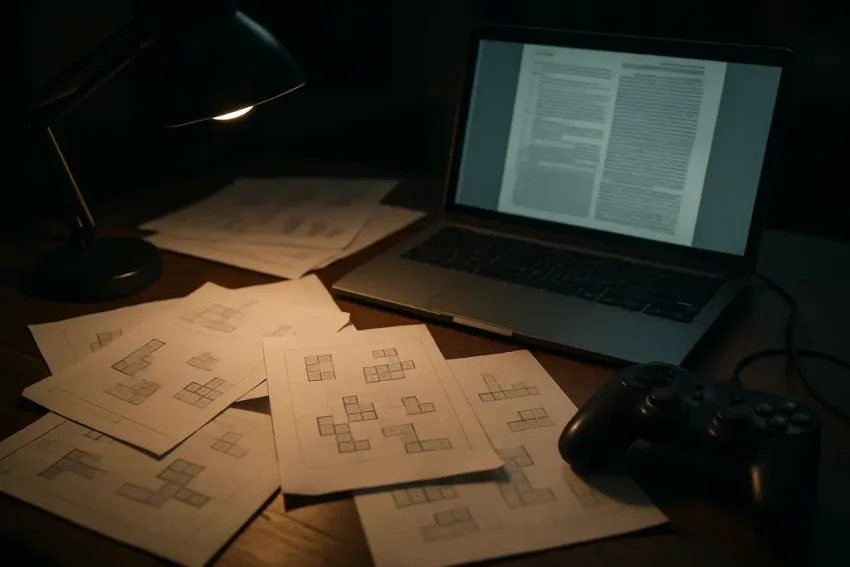
Tetris IP risks came back into public view after the White House launched a retro-style Arcade section on September 3, 2026, featuring five browser games, including a falling-block game called “Build the Wall.” Fortune described the release as a Tetris-style browser game among other retro-inspired games on the site Fortune reported. By September 8, 2026, the game had been removed after The Tetris Company said it had not authorized or licensed its brand or intellectual property for the project Forbes reported.
For developers, this was not just a strange political-media footnote. It was a timely reminder that familiar mechanics and recognizable presentation can create legal exposure even when a project looks small, temporary, browser-based, or culturally topical. The risk is not limited to using the word “Tetris.” The deeper issue is whether a game copies protected expressive elements closely enough that players could recognize the source or assume a connection.
Why Tetris IP risks Moved Back Into View
A Public Response With Practical Consequences
The Tetris Company’s September 4, 2026 response was direct: it said it was not involved in making “Build the Wall,” had not authorized or licensed its brand or IP for the game, and treats copyright infringement seriously. The public distancing mattered because it separated the rights holder from the browser game before confusion could harden into an assumption of official involvement.
The removal by September 8 showed how quickly a visible game can lose distribution once IP questions surface. Most indie teams will never face the same political visibility, but the workflow risk is similar: a project can be live, shared, covered, and then pulled before a developer has time to adjust art direction, rename assets, or clarify ownership.
That matters for player trust. If users see a game vanish after a rights-holder objection, they may question whether the developer understood licensing, whether purchases or saves are safe, and whether future updates will continue. Even without a lawsuit, a takedown can damage a launch window and make platform partners more cautious.
The Difference Between Mechanics And Expression
The core legal line is familiar but easy to misread: game rules and mechanics are not generally protected by copyright in the same way as expressive presentation. A developer can study why falling blocks, grid pressure, rotation, and line-clearing create tension. That does not mean the developer can safely reproduce the same visual language, playfield proportions, block appearances, and presentation cues associated with Tetris.
The 2012 Tetris Holding, LLC v. Xio Interactive, Inc. dispute remains the key warning from the research record. In that case, an iPhone game called Mino was found to have copied protected expressive elements of Tetris closely enough to create infringement risk. The court’s reasoning, as summarized in the research, focused on elements such as visual presentation, playfield dimensions, block shapes, and related design expression rather than the abstract idea of arranging falling blocks.
For developers, Tetris IP risks are highest when the project relies on recognition. If the design goal is “players should instantly understand that this is basically Tetris,” that same recognition may become evidence that the protected expression is too close.
What Developers Should Take From The 2012 Clone Case
Tetris IP risks In Falling-Block Clones
A clone does not need to copy source code to create exposure. The research on the Xio case points toward a broader issue: a game can independently code its own version and still be vulnerable if the expressive result is nearly identical. That is especially relevant for small teams using fast prototyping tools, because the technical ease of building a falling-block puzzle game does not answer the copyright or trade dress question.
The claims identified in the research included copyright infringement, trade dress infringement, unfair competition, and possible trademark issues. The presence of trade dress matters because the risk can involve the total commercial impression of the product, not only a single asset. A different title or a small color change may not be enough if the game still signals the same origin to consumers.
A Safer Design Process Starts Earlier
The safer path is not to wait until a game looks finished and then ask whether it is different enough. Teams should separate inspiration from expression at the concept stage. If the pitch document, art board, or prototype uses Tetris as the visual target, the project is already moving toward the zone that has created trouble before.
A cautious developer can still build a falling-block or grid-based puzzle game, but the project needs its own identity. That means reconsidering the field layout, scoring feedback, shape language, visual proportions, interface behavior, color relationships, and animation style. The goal should be a design that players understand through its own rules and presentation rather than through borrowed recognition.
- Do not assume that changing the title avoids infringement risk.
- Document original art, UI, and gameplay presentation decisions during development.
- Get legal review before using recognizable shapes, field proportions, or branding cues.
- Use licensing discussions if the project intentionally references Tetris or its brand identity.
Player And Market Impact Beyond The Legal File
Removal Can Be A Consumer Harm
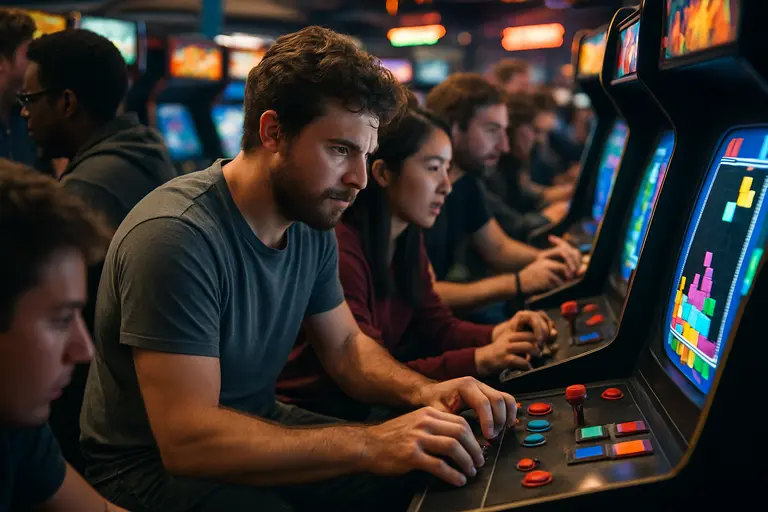
From a player perspective, clone disputes are not abstract. If a game is removed after launch, users may lose access, communities may fragment, and creators may stop supporting the build. In free browser games, the financial harm may be limited, but the trust cost can still be real. In paid games, the stakes rise because refunds, platform reviews, and future patches can become uncertain.
That is why IP diligence should be treated as part of consumer protection, not only as a legal department task. A game that cannot stay distributed is a poor purchase, even if it plays well. The same logic applies to branded events, promotional minigames, and sponsored web projects. A short shelf life does not make unauthorized use safe.
Monetization Makes Confusion More Serious
The research does not identify monetization details for “Build the Wall,” so it would be speculative to assign revenue motives to that game. Still, the broader risk for developers is clear: monetization can make consumer confusion more serious. If a player spends money on a game that appears connected to a famous property, the developer may face more than a design dispute. The question can shift toward whether consumers were misled.
Microtransactions, battle passes, cosmetics, and ad-supported play can all create extra pressure if the product leans on another company’s recognizable identity. Developers should be especially cautious with themed skins, parody-like visuals, and promotional versions of classic game formats. A joke or topical frame does not automatically remove the risk created by copying expressive elements.
For teams testing prototypes across home setups and player hardware, related consumer gear coverage from Cooler Master Gaming can provide useful context, but distribution safety still starts with original design and licensing discipline.
Tetris IP risks For Developers
The Practical Risk Assessment
The safest reading of Tetris IP risks is not that all falling-block games are forbidden. The more precise lesson is that developers should avoid copying the protected expression that makes Tetris recognizable as Tetris. That includes more than one asset. Courts and rights holders can look at the combined impression of the playfield, pieces, colors, dimensions, animation, and interface.
The White House Arcade episode showed how fast a high-visibility clone-like project can attract a rights-holder response and disappear from public access. The 2012 Xio case showed that independently made software can still infringe if the expressive result is too close. Together, the two examples give developers a practical warning: originality is not only a creative value; it is a distribution safeguard.
For studios, the best policy is boring but effective. Build a documented design identity, avoid consumer confusion, license what needs licensing, and get specialist legal advice before launch. If the whole appeal of a project depends on players recognizing a famous game’s look and feel, the project is probably carrying more legal risk than its prototype suggests.