

DDR5 RAM shortage is no longer just a story about expensive memory chips. AI-driven demand is tightening DRAM supply while automated scalper bots monitor scarce consumer inventory faster than an ordinary shopper can refresh a page.
For PC builders, that changes the calculation around a once-routine upgrade. Memory can now dictate timing, budget and even platform choice, adding another pressure point to broader PC hardware coverage around component availability and pricing.
The DDR5 RAM Shortage Has Two Bottlenecks
The first bottleneck sits upstream. AI infrastructure is consuming huge quantities of memory, while suppliers have strong incentives to prioritize server products and high-bandwidth memory over lower-margin consumer parts. Not every DDR5 module competes directly with HBM, but manufacturing capacity and investment decisions are increasingly shaped by data-center demand.
TrendForce describes a market where suppliers continue shifting capacity toward server and HBM applications. Its latest DRAM pricing outlook says AI server demand continues supporting elevated memory prices even as consumer buyers reach affordability limits.
The second bottleneck appears at retail. When reasonably priced kits surface, automated systems can identify them almost instantly. Scarcity becomes a speed contest humans are poorly equipped to win.
Bots Are Treating RAM Listings Like High-Frequency Markets
One retailer recently saw bad bots account for 91% of traffic hitting its DDR5 product pages, roughly ten automated requests for every legitimate visit. Earlier monitoring found bots repeatedly checking selected listings about once every 6.5 seconds.
A bot does not need to buy every kit to distort the experience. It only needs to watch inventory more consistently than a human shopper and react quickly when a price drops or stock returns.
That creates a retail visibility advantage. Someone checking a store twice a day is competing with software that can inspect the same inventory hundreds of times in an hour. The bot activity behind DDR5 listings shows how aggressively automated monitoring is targeting memory inventory.
The Price Spike Makes Scalping More Attractive
A mainstream 32GB DDR5-6000 kit that averaged about $72 a year earlier was recently around $392. That spread is large enough to attract resellers because scarce inventory can carry meaningful resale margins.
The crucial distinction is that bots are not the root cause. Supply pressure comes first. AI demand, production allocation and tight DRAM availability create the scarcity; scalpers exploit it by making the best-priced retail stock harder for ordinary buyers to reach.
Removing every scalper would improve access to individual listings, but it would not instantly restore cheap DRAM. The market would still face constrained supply and strong demand from buyers with far deeper budgets than desktop enthusiasts.
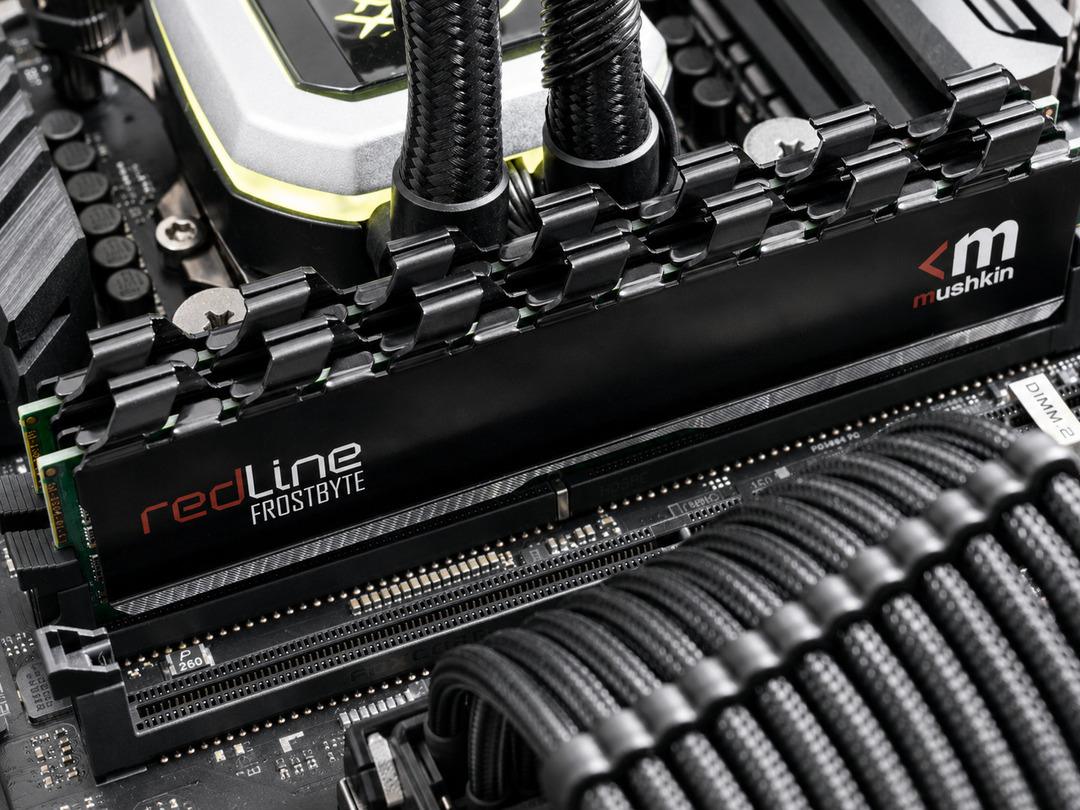
AI Demand Is Reshaping Who Gets Memory First
Memory manufacturers do not treat every segment of the market equally. When data-center customers are willing to pay more for higher-margin server memory and high-bandwidth products, production decisions naturally tilt toward those buyers. That leaves consumer DDR5 competing for capacity in a market where profitability influences allocation.
The pressure is especially noticeable because PC builders depend on standardized, widely available memory rather than negotiated enterprise contracts. A hyperscale customer can plan purchases months ahead and secure large volumes, while an individual buyer is left reacting to whatever reaches retail shelves.
That imbalance makes consumer pricing more vulnerable to sudden swings. Even modest tightening in supply can produce outsized effects when retailers have limited stock and automated buyers are ready to act the moment lower-priced kits appear.
The result is a market where ordinary PC enthusiasts are squeezed from both directions: upstream by AI infrastructure demand and downstream by aggressive resale activity. That combination is what turns a normal component shortage into a much more frustrating buying environment.
The forces are easier to separate side by side:
| Pressure point | What is happening | Effect on PC buyers |
|---|---|---|
| AI infrastructure demand | More memory capacity serves servers and AI systems | Consumer supply stays tight |
| Supplier allocation | Higher-value memory receives priority | DDR5 pricing remains elevated |
| Scalper automation | Bots monitor scarce listings continuously | Good retail stock disappears faster |
| Resale incentives | Large price gaps create arbitrage opportunities | Markups become more attractive |
| Consumer leverage | Individuals cannot secure long-term supply | Upgrades become harder to plan |
Bots therefore amplify a supply problem that already exists, making the consumer market feel even tighter than the production picture alone would suggest.
RAM Is Starting to Resemble the Worst GPU Shortages
PC enthusiasts have seen this pattern before. During major GPU shortages, buyers faced scarce inventory, aggressive automated purchasing and resale prices detached from normal retail expectations.
DDR5 is different in one important way. Graphics cards are complete products with visible launch cycles and model-specific restocks. Memory is a foundational component spread across desktops, laptops, workstations and servers, with supply decisions happening farther upstream.
That can make the squeeze more disruptive. A gamer can postpone a GPU upgrade and keep using an older card. A new DDR5-only platform requires compatible memory before the system works at all.
The shortage can therefore influence which motherboard, CPU or platform a buyer chooses. RAM is becoming a platform constraint, not merely another checkout item.
PC Builders Need a Different Upgrade Strategy
Waiting is not automatically the safest option when there is no clear consumer restock event that resets the market. Buyers should decide whether an upgrade is necessary, what capacity they genuinely need and how flexible they can be on speed, timings and appearance.
Paying a large premium for a specific RGB kit or extreme memory speed makes less sense when basic capacity already carries a steep surcharge. Builders who need a system now may get better value by treating memory as a practical requirement rather than a showcase component.
Bundles can change the equation. Pairing CPUs or motherboards with RAM makes inventory less convenient for scalpers and can reduce the effective memory cost for someone already planning a platform upgrade.
The goal is to avoid panic buying. Scarcity rewards flexibility more reliably than chasing every listing that briefly appears below the market.
Supply Allocation Will Decide What Happens Next
The most important signal is not how many bots hit a product page next week. It is whether DRAM manufacturers can expand output fast enough while AI customers continue absorbing high-value memory capacity.
Consumer demand is already resisting higher prices, which can limit how aggressively vendors raise retail pricing. Yet weaker PC demand does not automatically create cheap RAM if suppliers keep directing capacity toward more profitable server markets.
For the DDR5 RAM shortage to ease meaningfully, PC buyers need more than anti-bot defenses. They need sustained consumer inventory, broader production availability and less extreme competition for memory capacity.
Until those conditions change, scalping will remain an accelerant rather than the fire itself. RAM has become a component where AI infrastructure spending, manufacturing priorities and retail automation can matter just as much as speed, latency or brand.
Frequently asked questions
Why is there a DDR5 RAM shortage?
Strong AI and server demand is influencing how memory manufacturers allocate production capacity, while tight conventional DRAM supply keeps consumer inventory constrained. Retail scalping can then make already-limited stock harder to purchase.
Are scalper bots causing DDR5 prices to increase?
Bots can worsen retail availability and exploit price differences, but they are not the underlying cause of the shortage. Production constraints, AI infrastructure demand and supplier allocation decisions create the scarcity that makes scalping profitable.
Why are AI data centers affecting consumer DDR5 supply?
AI infrastructure consumes enormous amounts of memory, encouraging manufacturers to prioritize higher-value server products and HBM. That shift can reduce flexibility elsewhere in production and keep consumer DDR5 supply tighter.
Should PC builders wait before buying DDR5 RAM?
It depends on how urgently the upgrade is needed. Buyers who cannot wait may benefit from flexible specifications and platform bundles, while nonessential upgrades may be easier to justify once consumer inventory improves.
Could DDR5 prices fall again soon?
Prices could ease if supply expands, AI-related pressure moderates or consumer demand weakens further. A sustained decline is more likely to depend on production and allocation changes than on retail anti-bot measures alone.