

The photography landscape has undergone a dramatic transformation over the past decade. Smartphones have evolved into powerful imaging devices, capable of producing stunning photos with minimal effort. At the same time, compact cameras once the go-to option for casual and enthusiast photographers have shifted into a more specialized role.
This raises an important question for buyers today: is there still a valid reason to purchase a compact camera when your smartphone already offers advanced photography features? The answer lies in understanding the differences in performance, usability, and purpose.
The Rise of Smartphone Photography
Modern smartphones have redefined convenience. With advanced computational photography, users can capture high-quality images without needing technical knowledge. Features like HDR processing, night mode, portrait effects, and AI-based enhancements have made smartphone photography incredibly accessible.
Another major advantage is integration. Photos can be edited and shared instantly, making smartphones the preferred tool for social media and everyday use. This seamless workflow is something compact cameras still struggle to match.
However, while smartphones excel in convenience, they rely heavily on software processing rather than hardware superiority.
Why Compact Cameras Still Matter in 2026
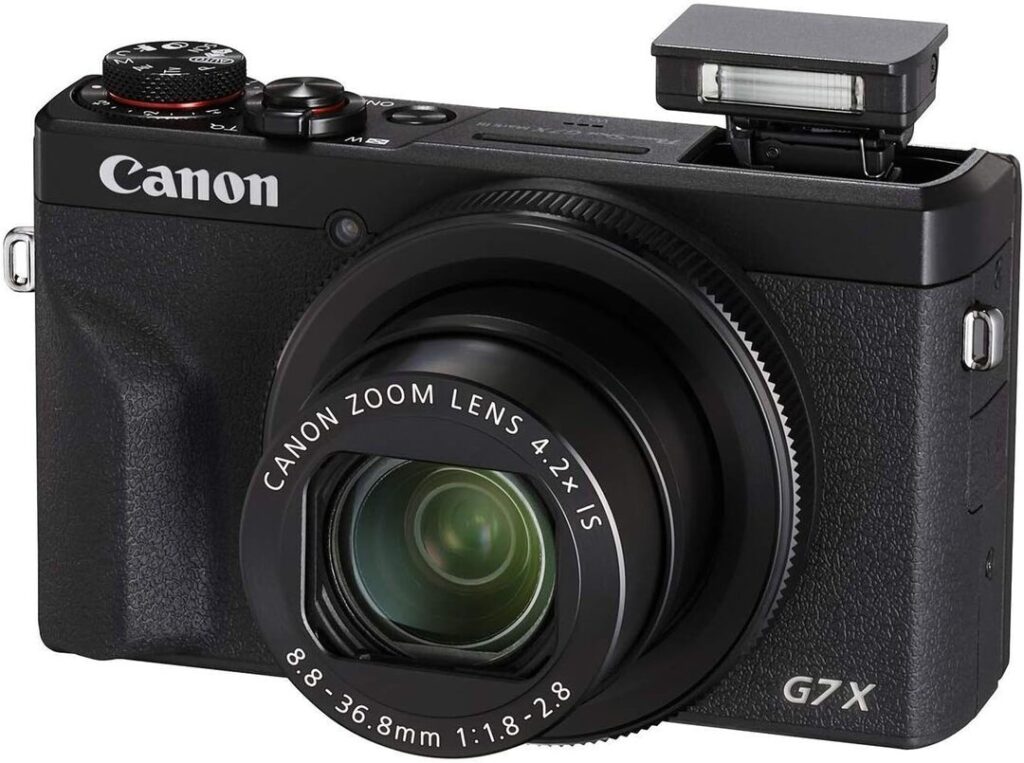
Compact cameras continue to hold their ground by focusing on areas where smartphones fall short. The most significant advantage is sensor size. Devices like the Canon PowerShot G7 X series feature larger sensors than most smartphones, allowing them to capture more light and detail.
This translates into:
- Better low-light performance
- More natural depth of field
- Higher overall image clarity
Additionally, compact cameras are built specifically for photography. This means better optics, more reliable performance, and less reliance on digital enhancements.
Even in 2026, this hardware advantage remains difficult for smartphones to fully replicate.
Optical Zoom vs Digital Zoom: A Key Difference
One of the clearest distinctions between compact cameras and smartphones is zoom capability.
Smartphones often rely on digital zoom or hybrid systems, which can degrade image quality. Compact cameras, on the other hand, use true optical zoom lenses. For example, many models offer versatile zoom ranges that maintain sharpness across distances.
This makes compact cameras particularly useful for:
- Travel photography
- Wildlife shots
- Events and concerts
In these scenarios, smartphones simply cannot match the consistency of dedicated lenses.
Performance in Real-World Conditions
While smartphone cameras perform exceptionally well in controlled environments, they can struggle in more demanding situations. Low-light scenes, fast-moving subjects, and complex lighting conditions often reveal their limitations.
Compact cameras handle these scenarios more effectively due to better sensors and optics. According to reviews, models like the Sony RX100 VII deliver “excellent image quality” and flexible zoom in a pocket-sized design.
This makes them a reliable choice for users who prioritize consistent performance over convenience.
Product Review: Canon PowerShot G7 X Mark III
To better understand the value of compact cameras today, let’s take a closer look at one of the most popular models still dominating the market.
Overview and Pricing
The Canon PowerShot G7 X Mark III remains one of the most sought-after compact cameras, even years after its release. Its popularity has surged again due to social media trends and content creation needs.
- Typical price range: $599 – $1,699 depending on availability
- Limited editions and scarcity can push prices above $1,000
👉 You can check availability here:
- Buy on Best Buy
- Check deals on Canon official store
Key Features and Performance
The G7 X Mark III features a 1-inch sensor and a bright lens, which allows it to produce detailed and vibrant images. It also supports 4K video recording, making it popular among vloggers and creators.
Users consistently praise its image quality and portability. One reviewer noted that the camera delivers “crystal clear images” and performs well even in low light.
Its compact size makes it easy to carry, while still offering more control than a smartphone.
Strengths
The camera stands out in several areas. It produces natural colors, offers strong low-light performance, and includes a fast lens that enhances background blur. Its intuitive interface also makes it accessible to beginners.
Another major advantage is its ability to deliver consistent results without relying heavily on software processing.
Limitations
Despite its strengths, the G7 X Mark III is not without drawbacks. Battery life is relatively limited, and it lacks some advanced features found in newer cameras. Availability can also be inconsistent due to high demand.
Additionally, while it offers strong video capabilities, some competitors provide better autofocus and additional features for professional creators.
Final Verdict and Score
The Canon PowerShot G7 X Mark III remains a strong contender in the compact camera market. It successfully balances portability, image quality, and ease of use.
Rave-tech Final Score: 8.7 / 10
- Image Quality: 9/10
- Portability: 9/10
- Value for Money: 8/10
- Features: 8/10
It is best suited for content creators, travelers, and enthusiasts who want better image quality than a smartphone without carrying bulky equipment.
Smartphones vs Compact Cameras: Who Should Buy What?
The decision ultimately depends on your needs.
Smartphones are ideal for:
- Everyday photography
- Social media content
- Convenience and instant sharing
Compact cameras are better for:
- Enthusiasts seeking higher quality
- Travel and zoom-heavy scenarios
- Users who want more creative control
Rather than replacing each other, these devices now serve different purposes.
The Verdict: A Complement, Not a Replacement
The idea that smartphones would completely eliminate compact cameras has not materialized. Instead, the market has evolved. Compact cameras now cater to users who demand more than what a smartphone can offer.
In 2026, the choice is not about which device is superior it is about which one aligns with your priorities. If convenience is your main goal, a smartphone is enough. But if image quality, optical zoom, and creative flexibility matter, a compact camera still makes a strong case.
As technology continues to advance, this balance may shift further. For now, compact cameras remain a relevant and valuable tool in the modern photography ecosystem.