

Foldable phones have moved beyond being experimental devices to becoming a significant category in the smartphone market. In 2026, major brands continue refining designs, improving durability, and integrating advanced AI features. These devices promise a hybrid experience combining the portability of a smartphone with the productivity of a tablet.
However, despite years of development, a key question remains: are foldable phones truly worth the investment, or are they still a niche innovation for tech enthusiasts?
What Makes Foldable Phones Different?
Unlike traditional smartphones, foldable devices feature flexible displays that allow them to expand into larger screens. This design enables enhanced multitasking, immersive media consumption, and improved productivity.
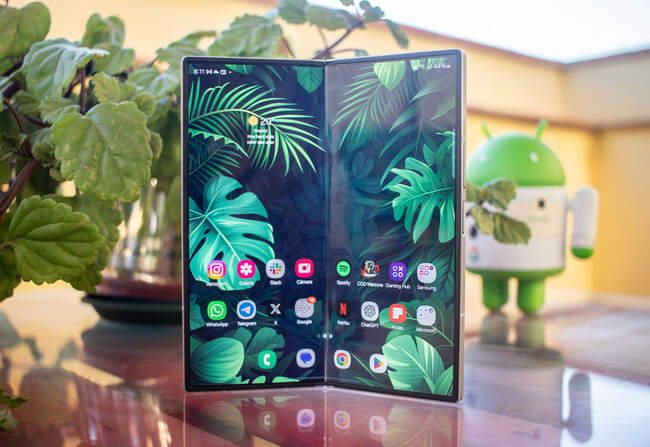
Modern foldables now include stronger hinges, brighter displays, and better resistance to wear and tear. Devices like the Samsung Galaxy Z Fold6 offer a large inner screen paired with a compact outer display, creating a dual-use experience.
This flexibility is the primary selling point but it also introduces complexity in design, cost, and durability.
Performance and Features in 2026 Foldables
Today’s foldable phones are no longer underpowered. They are equipped with flagship processors, high refresh-rate displays, and AI-enhanced features.
For example, modern foldables use advanced chipsets and AI processing capabilities to improve performance, photography, and multitasking. The Galaxy Z Fold6, for instance, features a Snapdragon 8 Gen 3 processor and enhanced AI performance for smoother operation.
Battery life has also improved, with devices offering all-day usage supported by optimized software and efficient hardware.
These improvements make foldables more practical than earlier generations, narrowing the gap between innovation and everyday usability.
The Biggest Advantage: Productivity and Multitasking
One of the strongest arguments in favor of foldable phones is productivity. The larger internal display allows users to run multiple apps simultaneously, similar to a tablet or even a laptop-like experience.
Users can:
- Edit documents while browsing the web
- Watch videos while messaging
- Use stylus input for note-taking
This makes foldables particularly appealing to professionals and content creators who need more screen real estate without carrying multiple devices.
The Downsides: Cost, Durability, and Practicality
Despite the advancements, foldable phones still face notable challenges.
The most obvious drawback is price. These devices remain significantly more expensive than standard smartphones. High-end foldables can cost well above $1,500, with some premium models reaching nearly $3,000.
Durability is another concern. While manufacturers have improved hinge mechanisms and materials, foldable screens are still more delicate than traditional glass displays. Even with reinforced designs and water resistance, long-term durability remains a key question.
Additionally, not all apps are fully optimized for foldable displays, which can affect the user experience.
Product Review: Samsung Galaxy Z Fold6
Overview
The Samsung Galaxy Z Fold6 is one of the most refined foldable phones available in 2026. It combines premium hardware with a polished software experience, making it a benchmark for the category.
Key Features
- 7.6-inch main foldable display
- Snapdragon 8 Gen 3 processor
- 50MP triple camera system
- AI-powered multitasking and photography
- Improved hinge and durability
The device is lighter and thinner than previous models, enhancing portability without sacrificing performance.
Performance and User Experience
In real-world use, the Galaxy Z Fold6 excels in multitasking. The large internal screen allows seamless switching between apps, while AI features enhance productivity and photo editing.
Gaming and media consumption are also impressive, thanks to the large, high-quality display and powerful processor. The device delivers smooth performance even with demanding tasks.
Battery performance is solid, offering extended usage for streaming, browsing, and productivity tasks.
Price
- Starting price: $1,799 – $1,999 (depending on region and storage)
Where to Buy
- Buy Samsung Galaxy Z Fold6 on Amazon on SALE @$605 as of today.
- Buy Galaxy Z Fold6 from samsungofficial store
Pros and Cons
Pros:
- Large, immersive display
- Strong multitasking capabilities
- Premium design and performance
- Advanced AI features
Cons:
- Very expensive
- Still less durable than standard phones
- Bulky compared to regular smartphones
Final Verdict and Score
The Samsung Galaxy Z Fold6 represents the best of what foldable technology can offer in 2026. It delivers a powerful, versatile experience that goes beyond traditional smartphones. However, its high price and lingering durability concerns prevent it from being a universal recommendation.
- Innovation: 9.5/10
- Performance: 9/10
- Value for Money: 7.5/10
- Durability: 8/10
Are Foldable Phones Worth It in 2026?
Foldable phones have clearly evolved into capable, high-performance devices. They offer unique advantages in productivity and entertainment that standard smartphones cannot match.
However, they are still not for everyone. For most users, traditional smartphones remain more practical and affordable. Foldables are best suited for those who value innovation, multitasking, and cutting-edge technology and are willing to pay a premium for it.
Innovation with a Price Tag
Foldable phones in 2026 are no longer just a concept—they are a reality shaping the future of mobile technology. Devices like the Galaxy Z Fold6 prove that the category has matured significantly, offering real-world benefits alongside impressive innovation.
Yet, the question of value remains. While foldables are undeniably exciting, they still cater to a specific audience. For now, they represent the future but not necessarily the present for everyone.
⭐ RAVE-TECH Final Score: 8.7 / 10