

The smartphone industry in 2026 is no longer just about hardware upgrades it’s about intelligence. With the launch of the Samsung Galaxy S26 series, Samsung is doubling down on artificial intelligence, positioning its flagship lineup as more than just devices, but as adaptive digital assistants.
After spending time exploring the Galaxy S26 and its AI-powered features, I can confidently say this is one of the most ambitious shifts Samsung has made in years. But the real question remains: do these AI capabilities genuinely enhance everyday use, or are they simply another layer of tech hype?
Pricing, Availability, and First Impressions
The Samsung Galaxy S26 is expected to launch globally in early March 2026 following its official unveiling. Pricing remains competitive within the premium segment:
- Starting price: around $799 for the base model
- Plus variant: approximately $999
- Ultra model: around $1,299 depending on configuration
There are also indications that prices could slightly increase in some markets due to rising component costs, particularly those tied to AI processing hardware.
You can purchase the Galaxy S26 from:
From the moment I picked up the device, it felt familiar yet refined. Samsung hasn’t drastically changed the design, but the real transformation lies beneath the surface.
Galaxy AI: The Core of the Experience
The defining feature of the Galaxy S26 is its expanded Galaxy AI ecosystem. Unlike previous models that treated AI as a secondary feature, this device integrates intelligence into nearly every interaction.
One of the most noticeable upgrades is the introduction of a multi-assistant system, combining Samsung’s Bixby, Google’s Gemini, and a new AI agent called Perplexity.
Using the phone, I found this approach surprisingly effective. Different assistants excel at different tasks some are better at quick queries, while others handle deeper contextual responses.
However, it also introduces complexity. Switching between assistants can feel slightly fragmented at times, especially for users who prefer a single, unified experience.
AI Camera: Beyond Photography
Samsung is pushing its camera system into new territory with AI enhancements that go far beyond simple image processing.
The Galaxy S26 allows users to:
- Edit photos using natural language prompts
- Enhance low-light shots with AI-generated detail
- Modify scenes creatively (sometimes dramatically)
While testing the camera, I was impressed by how quickly it could transform images. A dimly lit photo became bright and detailed within seconds. However, this power comes with a trade-off a topic frequently highlighted in recent AI news, as experts debate the implications of AI-driven image enhancement on authenticity and creative expression.
There is growing concern that these tools blur the line between real photography and AI-generated content. Some critics argue that smartphones are shifting from capturing reality to creating it.
From my perspective, the feature is both exciting and slightly unsettling it’s incredibly useful, but it changes what we consider “authentic” images.
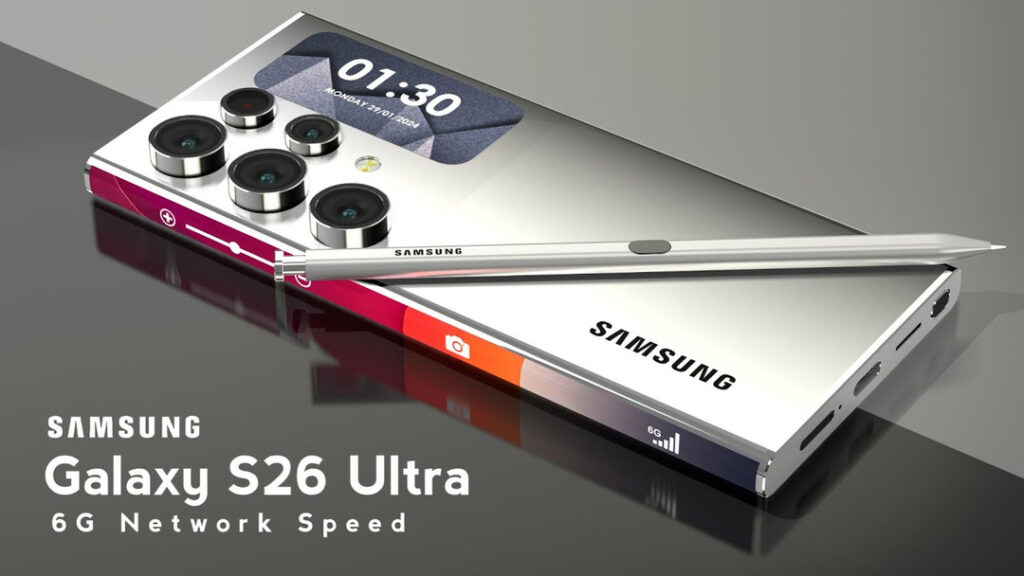
Performance and AI Processing Power
Under the hood, the Galaxy S26 is built to handle AI workloads efficiently. With next-generation chipsets and dedicated AI processing units, the device feels fast and responsive.
Everyday tasks from app switching to voice commands are noticeably smoother. More importantly, AI features run seamlessly in the background without slowing down the system.
Samsung’s focus on on-device AI also improves privacy and speed, reducing reliance on cloud processing.
Real-World AI Features I Used Daily
What stood out most during my usage was how integrated AI has become in daily interactions.
Instead of manually searching for information, I could simply ask the device, and it responded contextually. Calendar suggestions, reminders, and even message drafts felt smarter and more personalized.
The AI also adapts over time. After a few days, I noticed it anticipating my routines—suggesting apps, reminders, and even rest periods based on usage patterns.
This is where the Galaxy S26 truly shines. It doesn’t just respond it learns.
Battery Life and Efficiency
Battery life remains solid, with improvements driven partly by AI optimization. The device intelligently manages background processes, ensuring longer usage without sacrificing performance.
In my experience, the phone comfortably lasted a full day with heavy use, including camera testing and AI interactions.
Charging speeds have also improved, making it easier to top up quickly when needed.
Strengths and Limitations
The Galaxy S26 delivers a strong overall experience, but it’s not without its drawbacks.
The biggest strength is its AI integration, which feels meaningful rather than gimmicky. However, the growing number of AI features can sometimes feel overwhelming.
Additionally, while the camera’s AI capabilities are impressive, they may not appeal to purists who value unaltered photography.
Final Verdict: My Experience Using Galaxy S26
After spending time with the Galaxy S26, I can say this is not just an incremental upgrade it’s a shift in how smartphones function.
It feels less like a device and more like a digital assistant that adapts to your needs. The AI features are genuinely useful, especially in productivity and everyday convenience.
However, there is still room for refinement. The multi-assistant system can feel fragmented, and some AI features may be more experimental than essential.
Is Galaxy AI the Future?
The Samsung Galaxy S26 represents a turning point in smartphone evolution. While previous generations focused on hardware improvements, this one prioritizes intelligence and adaptability.
AI is no longer just an added feature it’s the foundation of the experience.
If Samsung continues refining this approach, the Galaxy S26 may be remembered as the device that truly ushered in the era of AI-first smartphones.
⭐ RAVE-TECH Final Rating: 9.1 / 10