

I’ve been following wearable technology for years, but few innovations have intrigued me as much as smart rings. In 2026, the conversation around Oura Ring Gen 4 vs Samsung Galaxy Ring has become one of the most searched comparisons online and for good reason.
These compact devices promise something ambitious: powerful health tracking without the bulk of a smartwatch. But while they share a similar form factor, their philosophies and performance differ in meaningful ways.
After analyzing both, I found that this isn’t just a product comparison. It’s a look at where wearable tech is heading next.
Design and Everyday Comfort
When wearing a device 24/7, comfort becomes just as important as functionality. In this regard, both rings deliver, but in different ways.
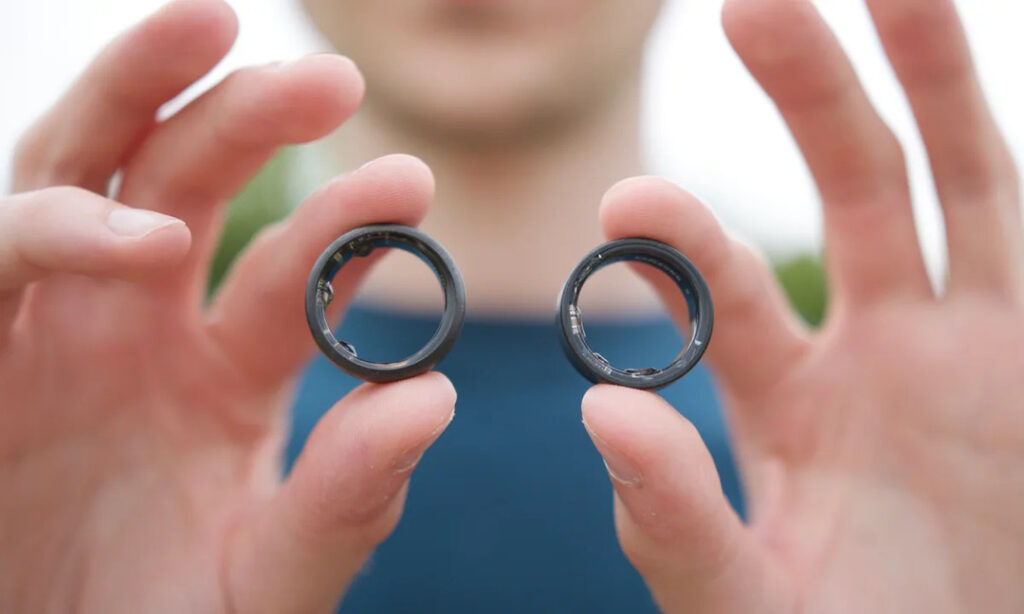
The Samsung Galaxy Ring feels almost invisible. Its slim profile and lightweight construction make it ideal for users who don’t want to feel like they’re wearing technology at all. It blends seamlessly into daily life, whether you’re working, sleeping, or exercising.
The Oura Ring Gen 4, on the other hand, leans into a more premium aesthetic. Its titanium build gives it a slightly more substantial feel, but also adds a sense of durability and luxury. Personally, I found it more noticeable on the finger, though not uncomfortable.
From my perspective, Samsung prioritizes minimalism, while Oura focuses on premium craftsmanship.
Health Tracking and Data Accuracy
This is where the comparison between Oura Ring Gen 4 vs Samsung Galaxy Ring becomes more decisive.
Oura has built its reputation on deep health analytics, and the Gen 4 model continues that legacy. It offers highly detailed sleep tracking, including REM cycles, deep sleep stages, and recovery metrics. Its “readiness score” provides a daily snapshot of your physical condition, helping you understand when to push harder or rest.
Samsung’s Galaxy Ring delivers solid tracking as well, including heart rate, sleep, and stress monitoring. However, its insights feel more generalized. The “Energy Score” is helpful, but it lacks the depth and nuance that Oura provides.
In real-world use, I found Oura to be more valuable for long-term health insights, while Samsung is better suited for casual wellness tracking.
Battery Life and Charging Experience
Battery performance is often overlooked, but it plays a crucial role in wearables.
The Oura Ring Gen 4 offers up to eight days of battery life, which is impressive given its advanced sensors. The Samsung Galaxy Ring comes close, averaging around seven days depending on usage.
Where Samsung stands out is in its charging system. Instead of a standard dock, it includes a portable charging case, making it easier to top up the battery on the go. Oura’s dock is functional but less convenient for travel.
This may seem like a small detail, but in everyday life, it makes a noticeable difference.
Compatibility and Ecosystem Integration
Another major factor in the Oura Ring Gen 4 vs Samsung Galaxy Ring debate is compatibility.
Oura takes a more universal approach. It works across both iOS and Android devices, making it accessible to a wider audience. Its app is clean, data-rich, and designed for users who want to dive deep into their metrics.
Samsung, however, is tightly integrated into its own ecosystem. The Galaxy Ring works best with Samsung smartphones and is limited to Android. If you’re already using Samsung devices, the integration feels seamless and intuitive.
But for iPhone users, the choice is simple Oura is the only viable option.
Pricing, Subscription, and Long-Term Value
Pricing is where the decision becomes more nuanced.
The Oura Ring Gen 4 starts at approximately $349, but it requires a monthly subscription of around $5.99 to unlock its full features. Over time, this adds up, making it a more expensive investment in the long run.
The Samsung Galaxy Ring is priced slightly higher at around $399, but it does not require a subscription. Once you purchase it, all features are available without ongoing costs.
From a long-term perspective, Samsung offers better value, while Oura delivers more advanced insights at a premium.
Where to Buy
If you’re considering purchasing either device, here are a couple of trusted options:
- Buy the Oura Ring Gen 4 directly from the official store:
https://ouraring.com - Explore the Samsung Galaxy Ring via Samsung’s official website:
https://www.samsung.com
Both brands also offer sizing kits, which I strongly recommend using to ensure the perfect fit before purchasing.
Real-World Performance and Daily Use
In daily use, the differences between these two devices become more apparent.
The Oura Ring Gen 4 feels like a data-driven health companion. It’s designed for users who want to understand their body at a deeper level, from sleep quality to recovery trends.
The Samsung Galaxy Ring, meanwhile, feels like an extension of your smartphone. It integrates smoothly with apps, notifications, and other Samsung services, making it more of an everyday convenience device.
Neither approach is inherently better it depends on how you plan to use it.
Final Verdict and Score
After spending time analyzing both devices, here’s my final assessment of the Oura Ring Gen 4 vs Samsung Galaxy Ring:
- Oura Ring Gen 4 excels in accuracy, depth, and health insights
- Samsung Galaxy Ring shines in comfort, convenience, and ecosystem integration
Final Scores
- Oura Ring Gen 4: 9/10
Best for users who prioritize health tracking and detailed analytics - Samsung Galaxy Ring: 8.5/10
Ideal for those who want a simple, subscription-free, everyday wearable
Which Smart Ring Should You Choose?
The decision between Oura Ring Gen 4 vs Samsung Galaxy Ring ultimately comes down to your priorities.
If you’re serious about optimizing your sleep, recovery, and overall health, Oura offers a level of insight that’s hard to match. It feels like a professional-grade wellness tool disguised as a ring.
If, however, you prefer a lighter, more affordable long-term option that integrates seamlessly with your daily tech, Samsung delivers a practical and user-friendly experience.
From where I stand, both devices represent the future of wearable technology smaller, smarter, and more personal than ever before. The real question isn’t which one is better, but which one fits your lifestyle.