

The Moto Buds JBL comparison matters because wireless earbuds are not judged by sound alone. Budget models now promise premium codecs, adaptive ANC, gaming modes, and long battery life, while premium earbuds are fighting back with smarter cases, stronger calls, and more polished control.
That creates a useful buying question: should value-focused listeners trust the Moto Buds 2 Plus, or should they spend more for the JBL Live 4 TWS experience? The answer depends less on brand loyalty and more on priorities: audio quality, noise cancellation, battery life, calls, and daily comfort.
Why This Moto Buds JBL Comparison Works Right Now
The earbuds market is crowded, but this matchup has a clean shape. Moto Buds 2 Plus represents the rising budget-premium category: affordable earbuds trying to deliver higher-priced features. JBL Live 4 TWS sits higher, bringing a more ambitious case design, upgraded ANC, stronger call tools, and a more complete experience.
That budget-versus-premium tension makes the comparison useful. A buyer may look at Moto’s price and wonder why they should pay more. Another buyer may look at JBL’s smart charging case and wonder whether convenience is worth the premium.
Moto Buds 2 Plus launched in India with Sound by Bose tuning, adaptive ANC, LHDC and LDAC codec support, Bluetooth 6.0, dual-device connection, gaming mode, and up to 40 hours of battery life. JBL’s Live 4 series brings a larger touchscreen smart case, improved ANC, upgraded drivers, stronger calls, and up to 50 hours depending on model and use.
For readers checking a Moto Buds JBL comparison, the real question is not which spec sheet looks longer. It is which set of trade-offs makes more sense for the way people actually listen.
Price And Positioning: Value Versus Polish
Moto Buds 2 Plus is the easier pair to understand from a value perspective. It brings a long list of premium-sounding features into a lower price band, giving it immediate appeal for students, commuters, gamers, and casual listeners who want strong specs without flagship pricing.
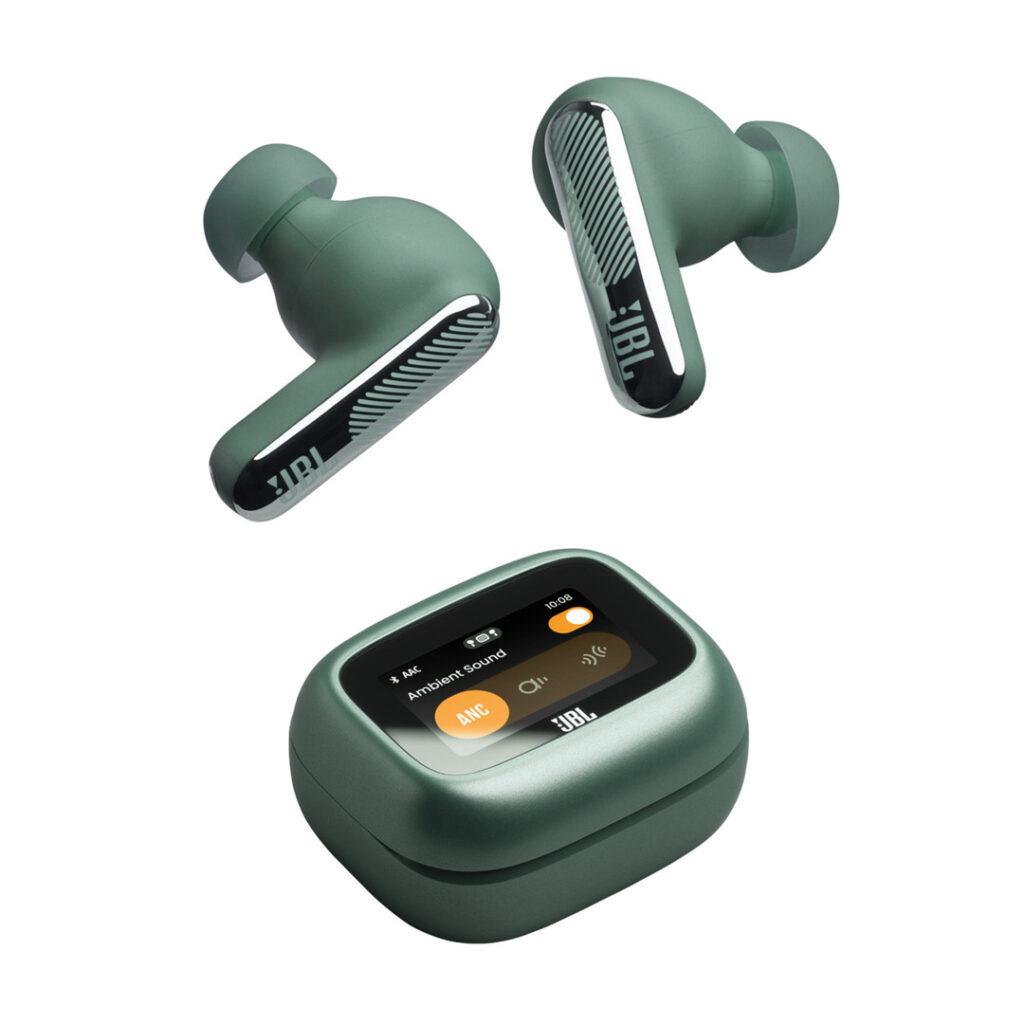
JBL Live 4 TWS plays a different game. It is not trying to be the cheapest option. The smart charging case is the headline because it lets users adjust key settings without pulling out a phone. That changes the experience in a small but meaningful way.
Price matters because earbuds are easy to lose, damage, or replace. A cheaper pair with good codecs and battery life can feel like the smarter choice for practical buyers. But a more expensive pair can earn its premium if it delivers better call quality, more stable ANC, smoother controls, and stronger everyday confidence.
The mistake is judging value by price alone. Value is the relationship between cost and what the buyer actually uses. A person who constantly changes ANC, EQ, and volume may find the smart case useful; a person who rarely changes settings may not.
Design And Case Experience
Earbud design is not only about looks. Fit, case size, controls, and pocketability matter when a pair moves into real routine.
Moto Buds 2 Plus seems built around straightforward practicality. The pitch is not about a flashy case; it is about delivering key audio features in a compact, accessible package. That simplicity has real strength. Many buyers want earbuds that connect quickly, last long enough, block noise reasonably well, and do not require constant attention.
JBL Live 4 TWS is more expressive. The smart charging case gives the product a visible identity. It turns the case into a small control surface for ANC, EQ, volume, and other quick adjustments. That creates a premium signal before the earbuds leave the case.
The trade-off is complexity. A touchscreen case can be useful, but it also adds another interface to learn and another part that must work well. If it feels responsive, it becomes a genuine advantage; if not, it becomes a novelty.
Sound Quality And Codec Support
Sound is where Moto Buds 2 Plus makes its boldest value case. Sound by Bose tuning gives the product a recognizable audio partnership, while LHDC and LDAC support suggest higher-quality Bluetooth streaming for compatible devices. Those codecs matter most to Android users with phones and apps that can take advantage of them.
That does not automatically mean Moto wins sound quality. Codecs are only part of the chain. Driver design, tuning, fit, seal, app controls, and source quality all shape the final performance. A premium codec cannot rescue poor fit, and a strong driver can still sound ordinary if the earbuds do not seal properly.
JBL Live 4 TWS brings upgraded drivers and Hi-Res Audio support within its new lineup, with the Live Buds 4 and Live Beam 4 using 10mm dynamic drivers and the Live Flex 4 using 12mm drivers. JBL’s audio identity usually leans toward energetic, consumer-friendly sound rather than clinical neutrality.
If the buyer wants codec flexibility at a lower price, Moto looks strong. If the buyer wants a more polished ecosystem of sound controls, case interaction, and premium tuning, JBL has the better positioning and stronger refinement.
ANC And Real-World Noise Control
Active noise cancellation is one of the easiest features to oversell. Good ANC depends on hardware, microphones, algorithms, fit, and the type of noise around the listener, which makes real-world testing essential.
Moto Buds 2 Plus includes adaptive ANC, which gives it a strong selling point in its price tier. For commuting, office work, study sessions, and travel, that feature can add meaningful quiet. The value is especially clear if the earbuds maintain a good seal and adjust smoothly.
JBL Live 4 TWS counters with improved ANC across the new series. The premium expectation is that JBL should deliver stronger processing, better transparency behavior, and more refined noise management in mixed environments where the user switches between music, calls, and awareness modes.
The practical difference will depend on use. A buyer using earbuds mostly in a quiet room may not need JBL’s stronger ANC package. A daily commuter or frequent traveler may care much more about ANC quality than codec support or battery claims.
Calls, Microphones, And Work Use
Call quality has become a major earbud category because earbuds now serve as work tools. People use them for meetings, voice notes, gaming chat, calls, and quick recordings. This is where JBL makes a serious case.
JBL Live 4 TWS includes six microphones and Perfect Call 2.0, combining wind-resistant design with AI-based voice enhancement. That gives JBL a clear edge for users who take calls outdoors, move between rooms, or rely on earbuds during workdays.
Moto Buds 2 Plus has three microphones per earbud, which is competitive for the price range. For ordinary calls, that may be enough. But the difference between acceptable calls and consistently clear calls becomes obvious in wind, traffic, and noisy interiors.
For a buyer who mostly listens to music, Moto’s value is harder to ignore. For a buyer who spends hours on video calls or phone calls, JBL’s call package may justify the premium. Voice clarity protects credibility when earbuds become part of work.
Battery Life And Charging Expectations
Battery life can decide an earbuds purchase because charging fatigue is real. Moto Buds 2 Plus claims up to 40 hours of total battery life with the case, which is strong for a value-focused model and enough for several days of mixed use.
JBL Live 4 TWS can reach up to 50 hours of total playtime depending on the model and settings, giving it the higher ceiling. Battery claims always need context because ANC, volume, codec choice, call use, and gaming mode can reduce endurance.
The more important question is routine. If a person charges earbuds nightly, the difference may not matter. If they travel, commute heavily, or forget to charge often, extra capacity becomes useful.
Battery life is not just capacity; it is reliability. The better earbuds are the ones that still feel ready when the user grabs them. On that point, both products appear strong, but JBL has the premium margin.
Gaming, Latency, And Device Compatibility
Moto Buds 2 Plus includes a gaming mode, which makes the comparison useful for mobile gamers. Low-latency modes can improve the feel of casual gaming, especially where timing affects reactions. For a budget-focused pair, that adds real utility.
JBL Live 4 TWS may offer broad everyday flexibility, but Moto has the clearer gaming hook from the information available. That makes Moto attractive for users who want music, calls, streaming, and mobile games without paying for premium extras.
Compatibility matters too. Moto’s LHDC and LDAC support will matter most to Android users. Apple users will not get the same codec benefit because iPhones do not support those high-bitrate Android-focused codecs. JBL’s controls and app experience may feel more universal, but Android users get the deeper codec story from Moto.
This is where the buying decision becomes personal. A broader gadget comparison perspective helps here because the better device is rarely the one with the most features; it is the one whose features match the owner’s daily behavior.
Comparison Table: Moto Buds 2 Plus vs JBL Live 4 TWS
| Category | Moto Buds 2 Plus | JBL Live 4 TWS |
|---|---|---|
| Best For | Budget buyers, Android users, mobile gamers | Premium earbud buyers, commuters, call-heavy users |
| Main Hook | Sound by Bose, LHDC/LDAC, gaming mode | Touchscreen smart case, improved ANC, stronger calls |
| Battery Life | Up to 40 hours total | Up to 50 hours total depending on model and use |
| Noise Control | Adaptive ANC | Enhanced ANC across the Live 4 series |
| Calls | Three microphones per earbud | Six microphones with Perfect Call 2.0 |
| Controls | Standard earbud/app-style control experience | Smart case controls for ANC, EQ, and volume |
| Value Argument | Strong specs at a lower price | More polished premium experience |
| Main Trade-Off | Less premium case experience | Higher price and more feature complexity |
Who Should Buy Moto Buds 2 Plus?
Moto Buds 2 Plus is the better choice for buyers who want the most feature depth for the money. The combination of Sound by Bose tuning, adaptive ANC, LHDC/LDAC support, Bluetooth 6.0, gaming mode, and up to 40 hours of battery life gives Moto a strong value argument.
It is especially appealing for Android users. The codec support makes more sense on Android than on iPhone, and the gaming mode adds another reason for mobile-first buyers to consider Moto. Students, commuters, casual gamers, and budget-conscious listeners should look closely.
The main caution is expectation. Moto may offer impressive features, but premium earbuds often win through smoother controls, stronger call processing, better app polish, and more consistent ANC. If the buyer wants strong features without overspending, Moto makes a persuasive case.
Who Should Buy JBL Live 4 TWS?
JBL Live 4 TWS is the better pick for buyers who want a more premium everyday experience. The smart charging case is not just a gimmick if the user frequently changes ANC, EQ, or volume. It reduces phone dependency and makes the earbuds feel more like a complete platform.
JBL also looks stronger for call-heavy users. Six microphones and enhanced voice processing give it a clear reason to appeal to hybrid workers, commuters, and people who use earbuds throughout the day. The JBL Live 4 earbuds also bring a broader premium package around improved ANC, new drivers, and more interactive case controls.
Price is the trade-off. Not every buyer needs a touchscreen case, and not every listener will use the extra controls enough to justify spending more. But for someone who wants earbuds that feel advanced from case to call, JBL is the more complete product.
The Verdict: Which Earbuds Are Actually Worth It?
Moto Buds 2 Plus wins the value argument. It brings a serious feature set into a lower price category, and for Android users who care about codecs, battery life, ANC, and gaming mode, it is hard to ignore. It is the smarter buy for practical listeners who want strong specs without premium case pricing.
JBL Live 4 TWS wins the premium experience argument. The smart charging case, improved ANC, stronger microphone system, upgraded drivers, and longer battery ceiling make it more compelling for users who want earbuds that feel polished across more situations. It is not only about sound; it is about convenience, calls, controls, and everyday confidence.
That is why this Moto Buds JBL comparison is not a simple cheap-versus-expensive verdict. Moto is the better deal for buyers who want maximum features per dollar. JBL is the better choice for buyers who want smarter controls and a more premium daily experience. The opportunity for budget earbuds is clear: they are getting good enough to challenge premium models on specs. The risk for buyers is assuming every premium feature matters. The best move is to decide which moments matter most—music, calls, commuting, gaming, or control and let that routine choose the winner.