

Apple AirTag vs Xiaomi Tag is a more useful comparison than it first appears because Bluetooth trackers are no longer just cheap accessories for forgetful people. They now sit at the center of a bigger question: should buyers trust a tightly controlled ecosystem with better nearby finding, or choose a more flexible tracker that can work across different phone platforms?
Apple AirTag vs Xiaomi Tag: The Ecosystem Choice Comes First
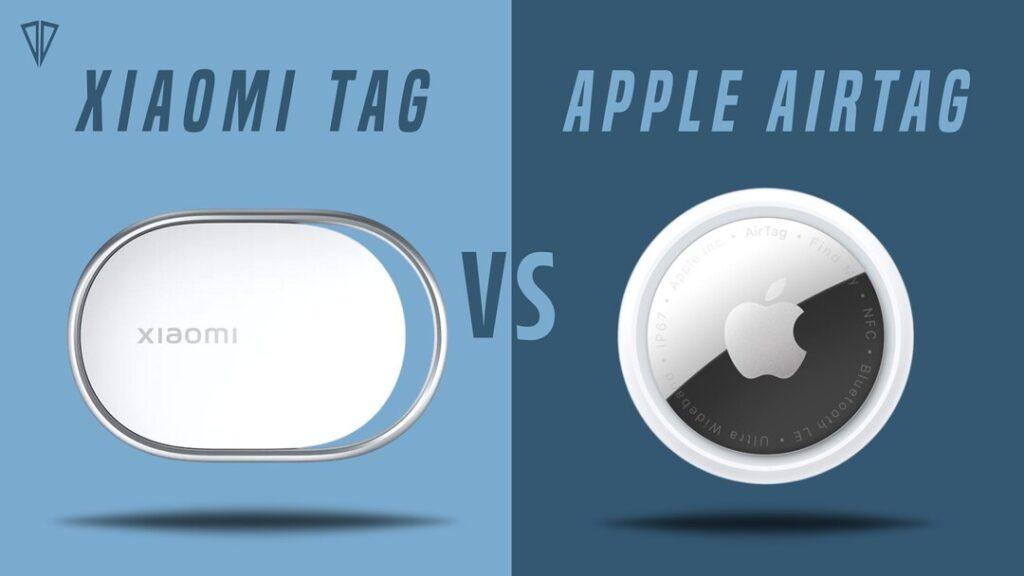
The first thing to clarify is the name. Xiaomi’s product is the Xiaomi Tag, not “Xiaomi AirTag,” even though many buyers will naturally describe it that way because Apple made the category feel mainstream. Both devices are designed to help users find keys, bags, wallets, luggage, and other everyday items, but they take different routes to get there.
The Apple AirTag is built around Apple’s Find My network and Apple’s hardware ecosystem. That makes it the obvious choice for iPhone users who want the cleanest setup and the strongest Apple-native experience. Xiaomi Tag takes a different angle by supporting Apple Find My and Google Android Find Hub, giving it a broader platform story.
That distinction matters because a tracker is only as useful as the network behind it. If your phone, family devices, and daily apps already live inside Apple’s world, AirTag has a natural advantage. If your household mixes iPhones and Android phones, Xiaomi Tag becomes more interesting because ecosystem flexibility matters more than brand familiarity.
Precision Finding Is Where Apple Still Has The Cleaner Advantage
The biggest technical difference is Precision Finding. AirTag includes Ultra Wideband support, which allows compatible Apple devices to guide users more directly when an item is nearby. That does not mean an AirTag magically works everywhere, but it does make close-range recovery feel more precise than basic Bluetooth tracking.
Xiaomi Tag relies more heavily on network location, Bluetooth proximity, and sound cues. That can be enough for many practical situations: finding keys in a room, locating a bag nearby, or recovering something that was last seen through a supported network. But without Ultra Wideband-style direction guidance, Xiaomi Tag is less compelling for buyers who want the most exact nearby-finding experience.
This is the key trade-off. Apple gives iPhone users a more polished recovery path when the item is close. Xiaomi offers a broader platform proposition, but the nearby search experience may feel less advanced. For people who lose things inside the house often, that difference is not small. It is the practical advantage that can decide the purchase.
Xiaomi’s Strongest Argument Is Cross-Platform Flexibility
The Xiaomi Tag is interesting because it does not force the same kind of ecosystem commitment. Its support for Apple Find My and Google Android Find Hub gives it a rare position in the tracker market, especially for households that do not live entirely inside one brand family.
That flexibility comes with a condition: the tracker is not meant to operate across both networks at the same time. The buyer chooses the network during setup, which means the Xiaomi Tag is flexible at purchase and setup, not a magical bridge between Apple and Android in daily use. That nuance matters because some shoppers may assume cross-platform support means simultaneous universal tracking.
Even with that limitation, Xiaomi has a strong case. Android users have often had fewer mainstream tracker options with strong network backing. Xiaomi Tag gives those buyers a more recognizable alternative, while still remaining relevant to Apple users who may want a different form factor or a lower-cost-feeling option.
The Comparison Table Shows The Real Buyer Split
A tracker comparison is easiest to understand when the decision is framed around real use, not just technical labels.
| Category | Apple AirTag | Xiaomi Tag |
|---|---|---|
| Best Fit | iPhone users who want the strongest Find My experience | Android or mixed-device users who want broader setup flexibility |
| Network Support | Apple Find My network | Apple Find My or Google Android Find Hub |
| Precision Finding | Ultra Wideband support on compatible Apple devices | No Ultra Wideband-style precision finding |
| Battery | Replaceable CR2032 coin cell | Replaceable battery with over one year claimed |
| Water Resistance | IP67 | IP67 |
| Weight | 11g | 10g |
| Lost Mode | NFC tap support | Lost mode/contact details through supported network setup |
| Main Advantage | Better nearby finding for Apple users | Better platform flexibility |
| Main Weakness | Poor fit for Android users | Less precise nearby tracking |
The table makes the decision fairly clear. AirTag is stronger if the buyer wants the best iPhone experience. Xiaomi Tag is stronger if the buyer values choice, especially in a household where not everyone uses Apple devices.
Battery, Durability, And Everyday Use Are Closer Than Expected
On paper, the everyday hardware comparison is tighter than the ecosystem debate. Both trackers are small, light, and designed for the kinds of objects people misplace often. Both use replaceable batteries, which is the right choice for this category because nobody wants a disposable tracker that becomes useless once the battery ages out.
Both also carry IP67 resistance, which matters more than many shoppers realize. A tracker may sit on keys, luggage, backpacks, gym bags, or outdoor gear. It will be exposed to dust, splashes, weather, and occasional rough handling. These are not devices that live gently on a desk.
The practical difference is attachment. AirTag’s round design is clean but usually needs an accessory for keys or bags. Xiaomi Tag’s shape is more attachment-friendly. That may sound minor, but it affects real ownership. If a tracker needs a separate holder before it becomes useful, the final buying cost and convenience can change. The best tracker is not always the one with the better app. Sometimes it is the one that is easiest to keep attached.
The Privacy And Misuse Question Buyers Should Not Ignore
Bluetooth trackers carry an uncomfortable tension. They are useful because they can help find lost items, but that same capability creates misuse concerns when trackers are placed where they do not belong. Apple and Xiaomi both operate in an environment where anti-tracking alerts, network controls, and privacy warnings have become central to the category.
For buyers, this should not be treated as a side issue. A good tracker needs more than range and battery life. It needs safeguards that make unwanted tracking harder and more visible. That is especially true as trackers become cheaper, smaller, and easier to buy in multipacks.
This is where brand trust and network maturity matter. Apple has had more time under public scrutiny with AirTag, while Xiaomi’s broader pitch depends on how well supported networks handle alerts and unknown tracker detection. The market is moving toward privacy as a feature, not just a disclaimer.
The Signal That Will Decide The Next Round
The next phase of this category will not be won only by the tracker with the smallest body or longest battery claim. It will be won by the device that makes lost-item recovery feel reliable without making users think too hard. That means stronger network coverage, better anti-stalking protections, clearer setup, and more consistent nearby finding.
Apple already has a clear advantage with iPhone users because AirTag feels like an extension of the Find My system. Xiaomi’s opportunity is different: it can pressure the market by making platform flexibility feel normal. That could matter as more buyers use multiple ecosystems across phones, tablets, laptops, and smart home devices.
This is also part of a broader hardware pattern. Consumers are becoming more selective about whether a gadget truly solves a daily problem or just adds another device to manage. That same question shows up in everything from trackers to foldables, where buyers increasingly need a practical upgrade framework before spending money on another accessory or device.
Final Verdict: Which Tracker Should You Buy?
For most iPhone users, Apple AirTag remains the safer and stronger choice. Its Find My integration, Precision Finding support, NFC Lost Mode, replaceable battery, and polished setup make it the better tracker if Apple is already your main ecosystem. It is not the most flexible option, but it is the most coherent one for iPhone owners.
Xiaomi Tag is the better fit for Android users, mixed-device households, and buyers who value network choice over Apple-specific precision. Its support for Apple Find My or Google Android Find Hub gives it a practical opening that AirTag does not have. The trade-off is that Xiaomi Tag gives up the more precise nearby-finding advantage that makes AirTag feel premium inside Apple’s ecosystem.
The Apple AirTag vs Xiaomi Tag decision comes down to one question: do you want the best tracker for an iPhone life, or the more flexible tracker for a mixed-platform life? Apple still wins on precision and polish. Xiaomi makes the stronger argument for flexibility. As Bluetooth trackers become more common, that split will matter more, not less, because the best tracker is the one that fits the phone network you already trust.