

Roblox Monetization Rules are under sharper policy attention in New York because lawmakers and regulators have been separating two related concerns: child safety on online platforms and paid game mechanics that can involve chance. For players, parents, and creators, the practical question is not whether Roblox alone is being singled out. It is whether statewide rules aimed at loot boxes, youth protections, and monetization transparency could push platforms to change how paid random items and creator earnings work.
The facts are narrower than the debate often sounds. New York has already finalized child-safety rules under the SAFE for Kids Act, while separate loot-box proposals remain policy tests rather than completed statewide law. That distinction matters for any fair read of the community reaction. Some parents and child-safety advocates see stricter limits as overdue protection. Some creators worry that broad definitions could hit legitimate game design and revenue models. Both concerns deserve a careful reading before assuming the result.
Roblox Monetization Rules And The New York Proposal
What Roblox Monetization Rules Could Touch
Assembly bill A9044 was introduced on April 14, 2026. The proposal would prohibit persons offering loot boxes within New York from repurchasing loot-box contents, whether directly or through third parties, and from allowing those contents to be traded, sold, or redeemed in ways that resemble gambling. The bill text also describes civil penalties of at least $1,000 per violation, or three times the revenue derived from the violation, whichever is greater, according to the New York bill text.
That language is broader than a simple ban on a mystery crate animation. It focuses on the economic loop around the item: whether a player pays for a randomized outcome, whether the item can be sold or redeemed, and whether the system starts to resemble wagering. For Roblox creators, the concern is easy to understand. User-made experiences can depend on repeat purchases, cosmetics, perks, and limited-time offers. If a monetization feature also includes chance and secondary value, it may attract more legal attention under this kind of proposal.
Roblox Monetization Rules would not necessarily have to change in every experience if A9044 advanced in its current form. The most exposed designs would be the ones closest to the bill’s target: paid random rewards with trade, resale, redemption, or platform-supported value outside the initial purchase. Experiences that sell known items, clearly priced access, or non-random upgrades would appear to raise a different set of questions, though the exact boundary would depend on the law’s final wording and any enforcement guidance.
Why The Proposal Is Not The SAFE For Kids Act
The SAFE for Kids Act is a separate policy track. It was signed in June 2024, and final rules were released on July 28, 2026. Those rules are scheduled to take effect on January 25, 2027. The Attorney General’s release describes restrictions on algorithmically personalized feeds for minors, nighttime notifications without parental consent, and age-related compliance requirements through the SAFE for Kids Act rules.
That framework is relevant to Roblox because Roblox is a youth-heavy social gaming platform with user-generated content, discovery systems, and creator economies. Still, the SAFE rules described by New York officials are not presented as loot-box rules. They are aimed at addictive feeds, parental consent, notifications, and age verification. The loot-box issue sits in a related but separate lane, which is why creators should avoid treating every New York child-safety rule as a direct ban on in-game sales.
Community Reactions From Players, Parents, And Creators
Parents See A Consumer Protection Gap
Parents who support regulation tend to focus on uncertainty and youth spending. Randomized rewards can make it harder for a child to understand what a purchase will actually deliver. Even when an item has no cash-out feature, the repeat-purchase loop can create pressure to keep spending for a desired result. New York’s policy direction reflects concern that youth-facing platforms need stronger safeguards than a disclosure buried inside a purchase flow.
The cautious version of that argument is not that every randomized reward equals gambling. It is that payment, chance, minors, and resale-like value become more concerning when combined. From a consumer-awareness standpoint, the demand is simple: children and parents should be able to understand the odds, cost, limitations, and actual value of paid items before money is spent.
Creators Worry About Revenue And Design Limits
Creator reaction is more complicated. A creator who builds a Roblox experience may rely on small purchases to fund updates, art, moderation, community events, or team labor. If New York rules force platforms to remove paid random items, restrict trading, or apply stricter age gates, some creators could lose revenue even if their work was not designed to exploit children.
That does not make the regulatory concern invalid. It does show why wording matters. A law that clearly targets cash-out style loops, resale value, and gambling-like redemption may affect a different set of creators than a law drafted so broadly that it discourages harmless randomization. The strongest community position may be neither total freedom nor a blanket shutdown. It may be clear disclosure, age-appropriate defaults, and firm limits where paid chance connects to real or quasi-real value.
For readers tracking this issue across games, our related analysis on Roblox transparency requirements explains why disclosure and trust have become central to platform monetization. Additional insights can be found through Hexiled Gaming, offering gaming analysis that reflects the broader interest in how player-facing policy changes impact communities beyond mere financial considerations.
How Platforms May Respond If Rules Advance
Geo-Restrictions Are Possible But Messy
If a New York loot-box bill became law, one possible response would be a location-based restriction. A platform could disable specific paid random mechanics for users in New York, or it could prevent New York creators and players from accessing certain features. That approach may limit legal exposure, but it can fragment the player experience. Friends in different states may see different stores, rewards, or trading options inside the same game.
A platform-wide change is another possibility. If one state sets a strict rule, a large platform may decide it is cheaper and less confusing to apply a safer standard everywhere. That could reduce compliance risk but also affect creators and players outside New York. The decision would depend on legal advice, engineering cost, payment systems, age verification, and how much revenue comes from affected features.
| Policy Area | Status As Of October 7, 2026 | Likely Impact On Roblox Creators |
|---|---|---|
| A9044 loot-box proposal | Introduced on April 14, 2026 | Could pressure paid random items tied to resale, trade, or redemption value |
| SAFE for Kids Act rules | Final rules released July 28, 2026; effective January 25, 2027 | Could affect age checks, parental consent flows, notifications, and discovery systems |
| Creator monetization practices | Dependent on platform policy and legal interpretation | May shift toward fixed-price items, clearer disclosures, or age-limited mechanics |
Design Could Move Toward Known-Value Purchases
The least disruptive design shift would be toward known-value purchases. Instead of paying for a random result, a player would buy a specific item, pass, cosmetic, or access right with clear terms. That model is less exciting for some collection-driven economies, but it gives consumers a clearer understanding of what they are buying.
Roblox Monetization Rules could also push creators to separate chance from payment. For example, a game might keep random rewards for free progression while selling non-random premium items. Whether that satisfies a future law would depend on the exact statutory text and enforcement stance, but it shows how design can adapt without removing all monetization.
Consumer Awareness For Roblox Players
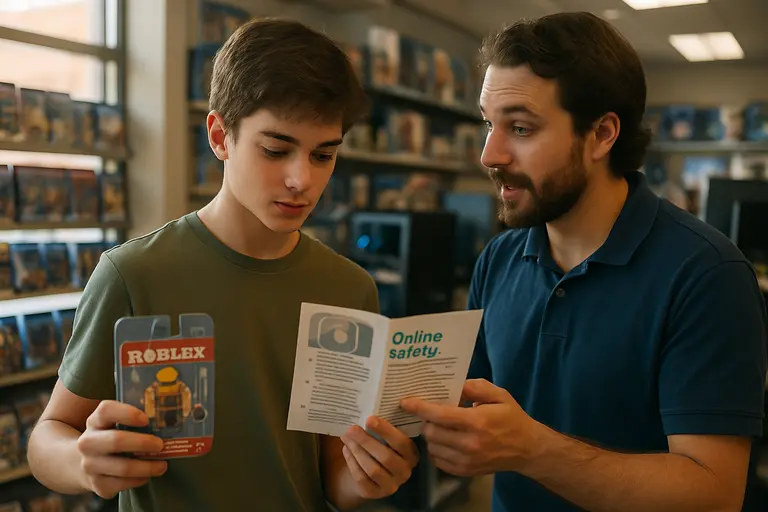
Questions Families Should Ask Before Spending
Players and parents do not need to wait for a final law to use a stricter standard. Before spending on a Roblox experience, the key questions are practical: is the reward known before purchase, are odds disclosed, can the item be traded or resold, and is there pressure to keep buying for a rare outcome?
- Prefer purchases where the item, duration, and cost are clear before payment.
- Be cautious with paid random rewards, especially if the desired result is rare or not guaranteed.
- Review account spending controls and age settings before allowing repeat purchases.
- Treat tradeable or resale-like items as higher risk than purely cosmetic, non-transferable rewards.
This approach does not require assuming that every creator is acting in bad faith. Many Roblox developers are small teams or solo builders trying to fund ongoing work. Consumer protection and creator sustainability can both matter, but paid systems aimed at minors need clearer guardrails than adult-facing marketplaces.
Roblox Monetization Rules And Player Trust
Roblox Monetization Rules are likely to keep drawing attention because they sit at the meeting point of youth safety, creator income, platform policy, and game design. New York’s finalized SAFE for Kids rules already created a dated compliance path for certain online child-safety obligations. A9044 shows that lawmakers are also testing how far they should go with loot boxes and gambling-like item economies.
The future impact remains uncertain because the loot-box proposal has not become the same kind of finalized rule as the SAFE framework. Still, the signal to platforms is clear enough: monetization systems involving minors, chance, and transferable value will face closer review. For the Roblox community, the better outcome would be rules that reduce manipulative spending without flattening every creative economy into the same cautious store model.