

The Roblox monetization shift became harder to ignore after the company’s July 30, 2026 second-quarter report. The headline problem was not that people had stopped using Roblox or that paying users had disappeared. It was that bookings growth slowed, monetization per user softened, and management signaled that platform changes designed to support longer-term retention could weigh on near-term spending.
For players and creators, that matters more than the share-price reaction alone. A platform can grow users while still producing weaker spending per hour. That creates pressure on discovery systems, creator incentives, subscriptions, advertising rules, and the way young players are protected from aggressive monetization. From a gaming setup and platform-use perspective, the practical question is simple: does Roblox’s model reward healthier play patterns, or does it just move spending pressure into new places?
Roblox monetization shift: Why Bookings Mattered
Bookings Sent A Different Signal Than Revenue
Roblox reported second-quarter 2026 bookings of USD 1.557 billion on July 30, 2026, up 8% year over year, while revenue recognition rose 36% year over year because of deferred-bookings accounting, according to Marvin Labs’ Q2 2026 analysis. That gap is central to the market reaction. Revenue can look stronger because earlier purchases are recognized over time, while bookings give a more immediate read on recent user spending.
That is why the reported market drop should be read as a reaction to future earning power rather than a simple judgment on the platform’s size. Roblox still had a massive audience, but investors had reason to focus on whether the current experience was generating the same spending intensity as before. For consumers, the distinction is useful because it separates platform popularity from the cost pressures that may later appear in subscriptions, cosmetics, limited-time offers, creator payouts, and brand placements.
Roblox monetization shift Versus Reported Revenue
The Roblox monetization shift is partly an accounting story, but it is also a product story. If the recommendation system sends users toward experiences that keep them engaged for longer but monetize less per hour, bookings can slow even while engagement looks resilient. That is not automatically bad for players. A platform that chases only high-spending loops can become tiring, especially for younger audiences and families trying to manage digital purchases.
The caution is that lower near-term monetization does not guarantee a fairer experience. Platforms often respond to weaker spending by testing new offers, subscriptions, ad formats, or creator revenue rules. The consumer-aware reading is that Roblox’s Q2 2026 numbers marked a test of whether retention-first discovery can coexist with clear, restrained monetization.
What Changed In Roblox’s Monetization Mix
Payer Growth Was Not The Weak Point
Roblox’s payer base continued to expand in Q2 2026. The company reported average monthly unique payers of 27 million, up 15% year over year, and international monthly unique payers outside the United States and Canada rose 23% year over year, according to the Roblox Q2 2026 earnings release. Those figures suggest that the platform was still converting a wide audience into paying users.
The weaker signal was spending efficiency. Research notes for Q2 2026 show average bookings per daily active user slipping from about USD 12.86 in Q2 2025 to USD 12.66 in Q2 2026. A decline of roughly 2% may sound small, but at Roblox scale it can affect expectations for creator earnings, platform reinvestment, and investor confidence.
The Roblox monetization shift also highlights a tension common across free-to-play games: growth in payers does not always mean each payer is spending more, or that each hour of play is worth more to the platform. A healthier discovery system may spread time across more experiences, including newer or less heavily monetized games. That can be better for variety, but it can also reduce the immediate payoff from high-spending experiences that previously performed well in recommendation feeds.
Retention Can Reduce Short-Term Spend
Roblox’s algorithm changes were described in the research notes as favoring long-term retention, even when that meant sending players toward evergreen or newer experiences with lower monetization per hour. As of September 15, 2026, that transition had not fully resolved because the Q3 2026 period was still in progress. The July 30, 2026 guidance warned that safety changes and the retention-oriented discovery shift could continue to pressure bookings.
That tradeoff is familiar to anyone who evaluates high-performance gaming gear: the best immediate benchmark is not always the best long-term setup. A mouse tuned only for maximum sensitivity is not ideal if control suffers. A platform tuned only for short-term purchases may create a similar problem. Roblox appeared to be accepting some near-term monetization drag in exchange for a system that may keep users active longer.
Creator Economics And Player Trust
Discovery Changes Can Reshape Creator Income
Roblox creators depend heavily on visibility. If recommendation changes send traffic away from older viral hits and toward a wider set of experiences, some creators may lose spending volume while others gain exposure. That is not only an investor concern. It affects the kinds of games players see, the purchase prompts creators prioritize, and the risk level creators accept when designing around platform incentives.
Consumer awareness matters here because creator income and player protection are linked. If creators face lower bookings per hour, some may look for more aggressive monetization within platform rules. Others may focus on retention, quality, social features, or older-player experiences. The player-friendly version of this shift would reward good design without pushing users into unclear spending loops.
Roblox is not alone in facing that tension. Similar debates have appeared across creator-led platforms and free-to-play ecosystems, including the way Fortnite creator monetization changes can alter incentives for both developers and players. The details differ, but the pressure is similar: platforms want more sustainable creator economies without making players feel like every session is a checkout funnel.
Brand Deals And Subscriptions Need Clear Labels
The research notes also point to planned advertising-policy changes and a 2027 move toward revenue sharing for in-game brand deals. Because those changes had not started as of September 15, 2026, they should be treated as a future risk area rather than a completed result. The consumer issue is not whether brand money exists on Roblox. The issue is whether players, especially younger users, can clearly identify paid integrations and understand when an experience is commercial.
Subscriptions raise a related question. If subscriptions are framed around convenience, discounts, private servers, or trading features, families need simple math: what is included, what still costs extra, and who benefits from the spending. For broader gaming community context, a related site in the same network, MostPlays, can help players compare how different platforms present value and engagement.
Risks For Players, Parents, And Creators
Safety Changes Can Affect Spending Patterns
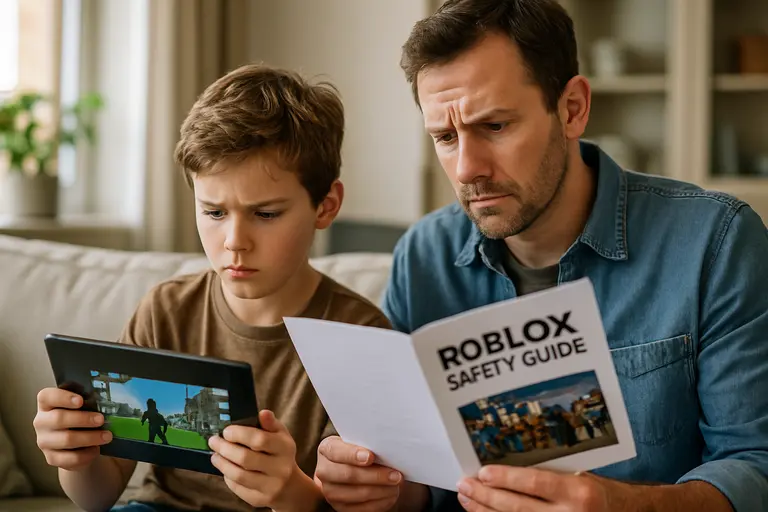
Roblox’s Q2 2026 weakness was tied in the research notes to safety and verification changes as well as discovery changes. That matters because safety systems can reduce engagement or monetization in younger cohorts, especially if age checks change access to features, ads, chat, discovery, or spending paths. A decline in younger-user monetization may be acceptable if it reflects stronger safeguards, but it can still alter the economics of creators who built for those audiences.
Parents should treat this period as a reminder to audit account settings, payment permissions, and recurring subscriptions. Roblox’s platform-level choices can change which experiences are surfaced, but household-level controls still decide whether a child can make purchases easily. Any shift toward older-user monetization also deserves attention because platforms may put more energy into experiences aimed at adults, where spending can be higher.
Lower Monetization Per Hour Is Not A Free Pass
The Roblox monetization shift may reduce dependence on immediate high-spending experiences, but players should not assume every change is automatically consumer-friendly. A platform can lower bookings per hour in one area while adding ads, subscriptions, branded content, or premium perks elsewhere. The practical test is transparency.
- Are paid items, subscriptions, and brand integrations labeled clearly?
- Can users and parents understand recurring costs before payment?
- Do discovery changes improve variety without hiding commercial incentives?
- Are creators rewarded for retention without being pushed into more intrusive spending prompts?
Those questions are more useful than treating the July 2026 market drop as either a failure or a win. The available data shows a platform with growing payers, weaker bookings momentum, and a management strategy that accepted near-term monetization pressure. Whether that produces a better player experience depends on the execution after Q2 2026.
Roblox Market Drop And Monetization Reset
The market reaction after Roblox’s July 30, 2026 report reflected a clear concern: bookings growth mattered more than headline revenue growth. A platform can recognize more revenue while giving investors and creators reason to worry about future spending. That is exactly why bookings, average bookings per daily active user, payer growth, and recommendation changes need to be read together.
For players, the Roblox monetization shift is worth watching because it may change what appears on the front page, which creators thrive, and how spending is packaged. For creators, the signal is sharper: relying on high-spend discovery loops may be riskier if the platform keeps prioritizing retention and safety. For parents, the safest response is not panic, but active account management and close attention to subscriptions, brand integrations, and purchase permissions.
As of September 15, 2026, Roblox had not proved that the new mix would restore bookings growth. It had shown that payer growth alone was not enough to calm the market. The next test was whether retention-first discovery, clearer safety systems, and future revenue-sharing changes could support creators without rebuilding the same short-term spending pressure in a different form.