
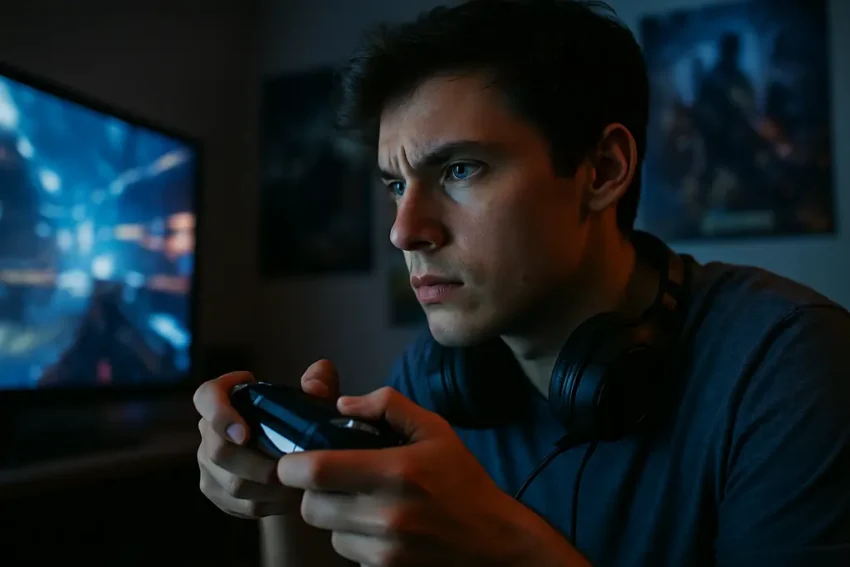
Amazon Luna integration moved from a separate cloud-gaming destination into a place many Prime members already use for entertainment. On July 23, 2026, Amazon added Luna to the Prime Video app in the U.S. and UK for Fire TV users, including a Games tab for Prime members to access Luna-powered titles from the same app they use for video streaming, according to Engadget’s report. That placement matters because it treats cloud gaming less like a console replacement and more like an extension of the living-room streaming habit.
For viewers, the change reduced a common point of friction: knowing that a gaming benefit exists at all. For players, it offered a lower-pressure entry point. Prime subscribers could try supported games at no extra cost with a controller or a phone, with cited examples including Fallout 4, Indiana Jones and the Great Circle, Marvel’s Guardians of the Galaxy, Dispatch, and Control. That does not prove mass adoption by itself. It does show Amazon shifting Luna away from being a service people must seek out and toward being something they may notice while browsing entertainment.
What The Amazon Luna Integration Changed
The most meaningful change was not only technical. Luna already existed as a cloud-gaming service before this Prime Video placement. The shift was in distribution. Prime Video is a high-frequency app for many households, so putting games beside shows and films changes how a non-console audience encounters interactive content.
Amazon Luna Integration As A Discovery Move
Amazon’s approach can be read as a discovery strategy first and a gaming strategy second. A standalone cloud-gaming app depends on the user having some intent to play. A tab inside Prime Video can reach someone who opened the app with no gaming plan at all. That does not guarantee they will start a session, but it can increase the number of people who understand that the option exists.
The Amazon Luna integration therefore targets a practical awareness problem. Cloud gaming often asks players to learn a new app, evaluate a subscription, pair a controller, and trust that the stream will feel responsive enough. By placing Luna inside Prime Video, Amazon reduced at least one of those steps: discovery. The player still needs compatible hardware, input, and a workable connection, but the service is less isolated from the rest of Amazon’s entertainment offering.
Why Fire TV Placement Matters
Fire TV is especially relevant because living-room gaming has historically been tied to dedicated consoles. Luna changes that hardware expectation by making the television a cloud-gaming endpoint. Amazon has said Luna can stream AAA-level games at 1080p and 60 frames per second to devices such as Fire TV, smart TVs, and browsers, while also saying its Prime-based discovery touchpoints can surface games to more than 200 million Prime members, as described in the AWS GameTech analysis.
Those figures should be handled carefully. More than 200 million Prime members is a reach figure, not a confirmed player count. Access at 1080p/60fps is also a capability claim, not a promise that every household network will deliver the same experience. Still, from a consumer setup perspective, the direction is clear: Amazon is trying to make the Fire TV feel less like a passive media device and more like a shared entertainment terminal.
Engagement Signals Worth Watching
The key engagement question is whether casual exposure turns into repeated play. Prime Video can place the option in front of users, but cloud gaming succeeds only if the first session feels easy enough to repeat. A viewer who tries a game once because it is visible in the app may not become a recurring Luna user if input pairing, latency, household Wi-Fi, or title fit disappoints.
From Passive Browsing To Controller Pickup
Streaming apps are designed around quick selection. Games ask for more commitment. Even with phone controls or a controller, the user must shift posture from watching to participating. That is a deeper behavior change than choosing a film after a trailer. For Amazon, the engagement win would be measured not just by game launches, but by whether Prime members return to the Games tab after the novelty fades.
This is where title selection matters. The cited mix includes recognizable action and adventure games, which may help a mainstream audience understand the value quickly. Yet recognizable names can also create expectations closer to console or PC play. If a player associates Control or Fallout 4 with local hardware, the streaming experience has to be stable enough that the delivery method does not become the main thing they notice.
Where Evidence Is Still Limited
As of September 3, 2026, the available research supports the distribution change, the Fire TV availability, the no-extra-cost Prime access, the cited game examples, the reach claim, and the 1080p/60fps cloud-streaming claim. It does not provide independently verified retention, hours played, conversion rates, or churn data after the Prime Video launch.
That uncertainty matters. Cloud gaming history has shown that access alone is not the same as attachment. A user may try a title because it is included with Prime, then return to console, PC, mobile games, or streaming video. Analysts should separate trial generation from durable engagement. The former is likely helped by Prime Video placement; the latter still depends on performance consistency, content rotation, and whether the service earns a place in household routines.
Access, Cost, And Player Risk
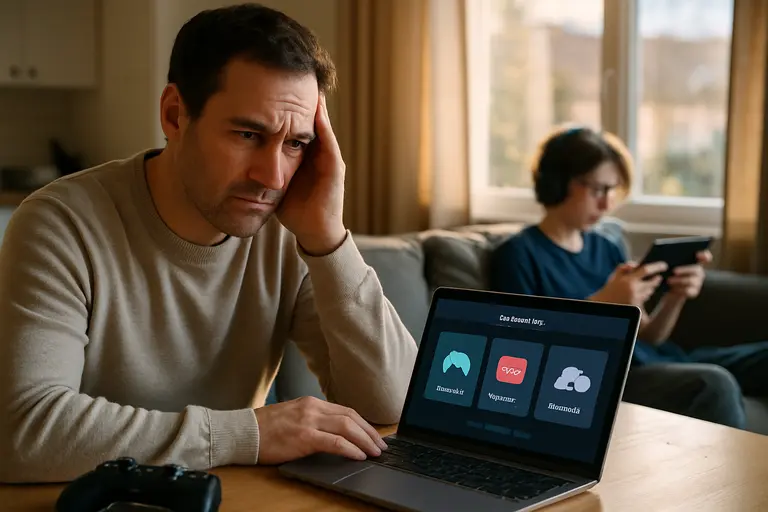
For consumers, the strongest immediate benefit is that Prime members did not need to pay an extra fee to try the included Luna games through this placement. That lowers the psychological barrier. It also makes the service easier to sample than a separate paid gaming subscription, especially for households already paying for Prime for shipping, video, or other benefits.
No Extra Cost Does Not Mean No Friction
No extra cost should not be confused with no requirements. A player still needs a supported device, suitable controls, and a connection stable enough for streamed play. A phone controller option may help people test the service without buying hardware, but many longer sessions are likely to feel better with a dedicated controller. Consumers should treat any accessory purchase as optional until they know Luna works well on their own network.
Network variability is the part of cloud gaming that marketing copy can understate. A game stream can look and feel very different across two homes with the same Fire TV model if one has cleaner Wi-Fi, lower congestion, or a better route to the service. For viewer experience, that means setup choices still matter. Router placement, Ethernet where available, and avoiding heavy household bandwidth use during play can have a visible effect, even though the rendering work happens remotely.
Monetization And Expectations
The Prime placement also changes how players think about value. If games appear as part of an existing membership, the service can feel like a bonus rather than a bill. That framing can help adoption, but it can also make users sensitive to library changes because they may not see the service as a full gaming platform they actively manage.
Consumer awareness is especially relevant for families. A low-friction gaming tab inside a video app can encourage experimentation, but parents and guardians should still review account settings, controller access, and content suitability before letting younger players browse alone. The research supplied here does not establish new microtransaction or loot-box mechanics tied to the Prime Video placement, so it would be inappropriate to infer that Luna’s integration added new spending systems. The cautious reading is simpler: easier access increases the need for clearer household rules around playtime and purchases wherever games support them.
Cloud Gaming Adoption After Amazon Luna Integration
For cloud gaming adoption, the Amazon Luna integration is less about defeating consoles and more about widening the top of the funnel. Amazon appears to be betting that people who would never open a dedicated cloud-gaming app might still try a game if it appears beside their regular streaming content. That is a credible consumer-behavior thesis, but it remains unproven at the retention level based on the available evidence.
The competitive lesson is also broader than Luna. Cloud gaming adoption depends on making the first session feel ordinary. If launching a game from Prime Video feels as natural as starting a show, Amazon has reduced one of the category’s softer barriers. If users encounter lag, confusing controls, or a limited personal match in the game catalog, the same placement may only create one-time sampling.
For streaming-focused households, the practical takeaway is to test before treating Luna as a replacement for local gaming hardware. Prime members with Fire TV access received a simpler way to sample supported games on July 23, 2026. That is useful, especially for households without a console or gaming PC. It is not enough evidence to assume every Prime Video viewer will become a cloud gamer.
The most balanced interpretation is that Amazon made Luna easier to find, easier to try, and more closely tied to an entertainment app people already understand. Player engagement now depends on whether that convenience survives the first few sessions. For readers comparing this shift with wider player habits and community response, related insights from the gaming community coverage can add useful context without replacing direct testing on your own setup.