

College Football 27 Microtransactions became a trust issue almost as soon as the game reached players. EA Sports said College Football 27 launched worldwide on July 9, 2026, for PlayStation 5, Xbox Series X|S, PC, and mobile in its EA Sports launch post. One day later, EA said it would remove paid progression options from Road to Glory and Online Dynasty after community backlash, with the change scheduled for the following morning, according to a Shacknews report.
What Changed After Launch
Launch Timeline
The timing shaped the reaction. A monetization decision that might have been controversial at any point became more sensitive because it appeared directly after launch, during the period when early buyers were still learning how progression worked. Based on the cited reporting, the key facts are narrow but significant: the game launched on July 9, 2026, and EA responded on July 10, 2026, by announcing the removal of paid progression options from two major modes.
That short interval matters because sports games often depend on habit and long-term commitment. Road to Glory and Online Dynasty are not throwaway side menus for many players; they are modes built around time investment, player growth, coaching identity, and multi-session progression. If progression is tied to paid acceleration, even partly, players can see the design as a pressure system rather than a fair reward loop.
Why Paid Progression Felt Different
Not all optional purchases produce the same reaction. Cosmetic items can still be controversial, especially in full-price games, but they usually do not affect advancement. Paid progression options sit closer to the core of play. In a college football career mode or dynasty structure, advancement is the point. If a player believes the game was slowed down to make paid shortcuts more attractive, the issue becomes design trust, not just price.
That distinction explains why the response carried more weight than a routine complaint about a storefront. Players were reacting to the possibility that their time had been priced. For a sports series with a passionate fan base, that can feel especially intrusive because the fantasy is not only winning matches. It is building a player, managing a program, and earning improvement through repeated decisions.
College Football 27 Microtransactions And Player Trust
College Football 27 Microtransactions In Context
College Football 27 Microtransactions became a community flashpoint because they touched modes associated with earned progression. From a player-friendly monetization perspective, the clearest lesson is that optional spending becomes harder to defend when it appears to alter the pace of non-competitive career growth. Even if a publisher views paid acceleration as optional, players may interpret it as a sign that the base pace was tuned around spending.
The quick retreat on College Football 27 Microtransactions also showed how fast community pressure can affect a live commercial decision. EA’s response did not erase the initial concern, but it did show that publishers can change course when the backlash is direct, organized, and tied to a specific design choice. That is different from general frustration. A clear objection gives a company something concrete to remove or revise.
Trust Costs More Than A Removed Button
Removing a paid option can stop the immediate harm, but it does not instantly restore confidence. Players may still ask why the feature was present at launch, why it was attached to progression, and whether similar pressure points could return later. That lingering doubt is a real cost, even without verified public data on sales impact, refund volume, or player retention.
For families, College Football 27 Microtransactions also raised a practical spending question. Sports games often have younger fans, shared accounts, and household purchases. Any paid progression system should be clear enough that a parent or guardian can understand what is being bought, where it works, and whether it affects advancement. If a paid currency or progression item changes purpose soon after launch, consumer confusion becomes a predictable risk.
Consumer Risks After A Fast Monetization Reversal
Spending Before Policy Changes
A rapid removal can create a second problem: what happens to purchases made before the change? The supplied research included individual community claims about spending shortly before the announcement, but those claims are not used here as verified evidence because they come from forum-level sources rather than high-authority reporting. Still, the consumer issue is valid as a category. When paid progression is removed after launch, buyers need plain information about currency use, refund eligibility, and mode restrictions.
A player-friendly approach would make three details easy to find: which modes accepted the paid option before removal, what changed after the cutoff, and whether affected purchases qualify for refunds or alternative uses. Without that clarity, even a pro-consumer reversal can feel incomplete. Players may agree with removing the paid progression while still feeling exposed if they bought into the old system.
What Players Should Check
Players assessing any similar sports game should treat progression monetization as a pre-purchase research point. Store pages and trailers often emphasize features, presentation, rosters, or platform availability. The more useful question is narrower: can real money affect progression in career, franchise, dynasty, or online team-building modes?
- Check whether paid currency affects progression, cosmetics, access, or time skips.
- Look for mode-specific rules, especially for career and dynasty-style modes.
- Review refund rules before buying premium currency.
- Wait for post-launch reporting if monetization details are unclear before release.
That does not require players to reject every game with optional purchases. It means the spending model should be understood before the game asks for more money. For wider community discussion across gaming audiences, related coverage on MostPlays provides insights into how various gaming communities handle monetization shifts.
Community Pressure And Publisher Incentives
Why The Response Mattered
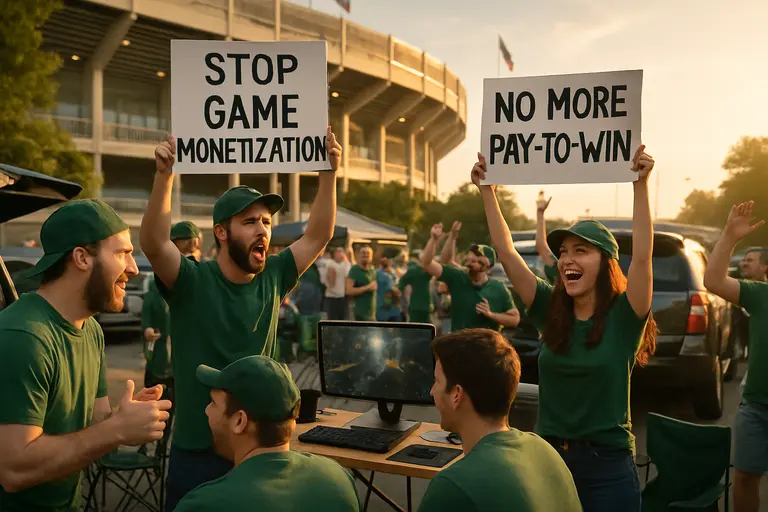
The community impact was not limited to the removal itself. The event signaled that players are especially sensitive to paid systems that sit inside progression loops. For publishers, that is a warning. Revenue features that appear small in a planning document can become reputation events if they conflict with how players believe a mode should work.
Sports games carry a particular risk because yearly releases already face scrutiny over price, feature continuity, and mode changes. If progression systems feel slower or more restrictive than expected, and paid acceleration is present, players may connect those facts even if the publisher did not present the design that way. Perception is not a substitute for evidence, but it can drive behavior.
Why Evidence Still Matters
There are limits to what can be responsibly concluded. The high-authority sources available for this analysis confirm the launch timing and the announced removal from Road to Glory and Online Dynasty. They do not provide audited figures for lost revenue, refund volume, player count changes, or long-term retention. Claims about those outcomes should be treated as unverified unless EA, a platform holder, or a reputable market research firm publishes stronger data.
That caution does not weaken the consumer point. It keeps the argument focused. The verified story is not that the decision financially damaged EA by a specific amount. The verified story is that EA placed paid progression options in sensitive modes, faced rapid backlash, and announced their removal immediately after launch.
What The College Football 27 Reversal Means
A Player-Friendly Reading
The lasting lesson from College Football 27 Microtransactions is that player pressure can work when the complaint is specific. “Remove paid progression from Road to Glory and Online Dynasty” is easier to act on than a general objection to monetization. It also gives publishers a clearer signal: career and dynasty progression are areas where fans expect earned advancement to remain central.
From a monetization standpoint, the safer path is transparency before launch. If paid currency affects progression, players should know before pre-ordering, before buying early access, and before starting a long-term save. If a company later removes that option, it should communicate what happens to prior purchases in direct language.
A Cautious Reading
The reversal should not be read as proof that all controversial monetization will disappear from sports games. It shows that one implementation triggered enough resistance to prompt a quick change. Future decisions will depend on revenue targets, player response, platform rules, and how clearly spending affects gameplay.
For players, the practical lesson is to watch progression systems as closely as storefront prices. A game can be enjoyable and still use spending prompts in ways that deserve scrutiny. The fairest model is not necessarily the one with no optional purchases at all. It is the one that keeps competitive balance, career growth, and long-term progression from feeling designed around payment pressure.