

Open-back vs closed-back gaming headphones is not just an audiophile debate wearing a gaming headset. The choice changes how wide a game sounds, how much outside noise leaks in, how much audio leaks out, and whether a microphone picks up what your teammates should never hear.
That matters because gaming audio is doing more work now. Players use the same headphones for ranked FPS, Discord, streaming, music, editing, and late-night sessions in shared rooms. A broader premium headphone comparison can help with brand-level buying decisions, but enclosure type is the deeper choice that shapes the whole experience.
Open-Back vs Closed-Back Gaming Headphones Starts With Leakage
Open-back headphones let air and sound pass through the earcups. Closed-back headphones seal the earcups more tightly and keep sound closer to the listener. That one design difference changes almost everything.
Open-back models usually feel more spacious and natural. Closed-back models usually isolate better and leak less sound. RTINGS’ headphone design breakdown frames this split around soundstage, leakage, and isolation, which are exactly the variables that matter for gaming.
The mistake is assuming wider sound always means better competitive awareness. A large soundstage can help create space, but isolation can matter more in noisy rooms. The room decides more than specs in many gaming setups.
| Factor | Open-Back Headphones | Closed-Back Headphones |
|---|---|---|
| Soundstage | Wider and more open | More intimate and contained |
| Isolation | Weak | Stronger |
| Sound leakage | High | Lower |
| Mic bleed risk | Higher | Lower |
| Shared-room use | Poor fit | Better fit |
| Heat and comfort | Often airier | Can feel warmer |
| Best use | Quiet rooms and immersion | Streaming, noise, and privacy |
Open-Back Headphones Can Make Games Feel Bigger
The main appeal of open-back gaming headphones is spaciousness. Environmental audio can feel less trapped inside the head. Footsteps, weather, distant effects, and ambient game worlds may feel more natural.
That makes open-back headphones appealing for single-player games, exploration, music, and players who want a less closed-in feeling during long sessions. In a quiet room, they can make a game feel more breathable and less fatiguing.
FPS players often like them because directional cues can feel clearer when the audio has room to spread. But this depends on tuning, imaging, game audio design, and the player’s environment. Not every open-back headphone is good for competitive gaming, and not every closed-back headphone is poor.
The trade-off is privacy. People nearby may hear your game. You may hear them too.
Closed-Back Headphones Are Safer For Streamers
Closed-back gaming headphones are often the more practical choice for streamers and shared rooms. They reduce sound leakage, block more outside noise, and lower the chance that game audio bleeds into a microphone.
Beyerdynamic’s product guidance for its DT 990 PRO page notes that closed-back headphones are recommended with microphones because they provide better isolation and reduce leakage into the mic.
Closed-back headphones also help when the room is not quiet. Fans, keyboards, roommates, traffic, air conditioners, and family noise can all reduce the advantage of open-back designs. Isolation is an audio feature, not just a convenience.
FPS Awareness Is More Complicated Than Soundstage
Competitive players often ask which design is better for footsteps. The honest answer is that enclosure type matters, but it is not the only factor. Imaging, tuning, frequency balance, comfort, latency, game audio engine, and volume discipline all matter too.
Open-back headphones may create a wider field, which can help with spatial perception. Closed-back headphones may make some sounds feel closer and more focused, especially in noisy spaces. A player in a silent room may prefer open-back. A player with a loud PC or shared apartment may perform better with closed-back.
The worst choice is picking headphones for imagined esports advantage while ignoring the actual room. If background noise masks subtle cues, a wider soundstage will not save the session.
Comfort And Heat Matter During Long Sessions
Open-back headphones often feel airier because the cups do not trap sound and heat in the same way. That can help during long gaming sessions, especially in warm rooms.
Closed-back headphones can feel more pressurized or warmer, though comfort depends heavily on pads, clamp force, weight, and materials. A plush closed-back headset may feel better than a stiff open-back model.
Glasses wearers should be especially careful. Pad shape and clamp force can affect seal, comfort, and sound. A broken seal on closed-back headphones can reduce bass and isolation. On open-back headphones, the seal matters less, but fit still affects comfort.
The Streaming Setup Changes The Answer
For solo gaming in a quiet bedroom, open-back headphones can be excellent. For live streaming, closed-back headphones are usually safer. They reduce echo, mic bleed, and the risk of viewers hearing delayed game audio through the mic. That microphone leakage warning is especially relevant for streamers using condenser mics, boom arms, or sensitive audio interfaces.
A dynamic microphone placed close to the mouth may reduce this risk, but it does not erase it. A condenser mic, loud headphone volume, or poor mic placement can still create bleed.
Creators should also think about monitoring. Closed-back headphones help isolate voice, alerts, music, and game audio during a live stream. Open-back headphones may feel more natural, but they are less controlled.
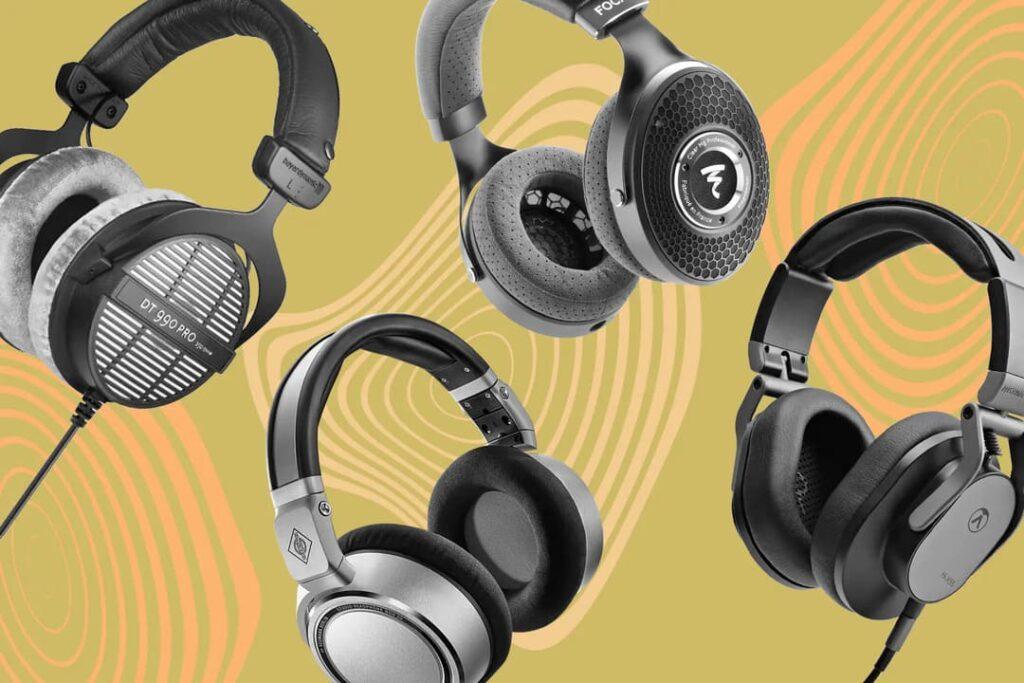
The Next Headphone Choice Is About The Room
The best headphone choice starts with environment. Quiet room, no streaming, no roommate? Open-back is worth considering. Noisy home, live mic, shared room, late-night play? Closed-back is usually the safer buy.
Buyers should also avoid confusing gaming headsets with headphones. Some headphones need a separate mic. Some headsets include convenience features but weaker sound. Some open-back models deliver excellent audio but are poor for public use.
Open-back vs closed-back gaming headphones matters because the better design depends on where and how you play. Choose open-back if space, comfort, and immersion matter most in a quiet setup. Choose closed-back if isolation, privacy, and streaming control matter more. The smartest audio upgrade starts with the room before it starts with the driver.